Shatapushpa
शतपुष्पा
Anethum graveolens L.
Apiaceae · Anethum
Benefits & side effects
TRADITIONAL VIEW, WITH SAFETY LIMITS
Hindi name: Soya
What the texts say Shatapushpa does
- Deepana — kindles digestion (appetiser)
- Pachana — digests ama (digestive)
- Vatanulomana — moves vata downward, relieves wind
- Garbhashaya shodhana — cleanses the uterus
- Stanyajanana — promotes breast milk
- Shoolaprashamana — relieves colicky pain
What the evidence says. Traditional use is extensive and long recorded. Modern clinical evidence is limited.
Side effects and limits
- Increased sensitivity of skin to sunlight
- Allergic reaction in those sensitive to Apiaceae
- Digestive irritation in quantity
Avoid or ask first: Pregnancy, in medicinal quantity.; Known allergy to plants of the Apiaceae family.
A traditional classification, not a recommendation. The full safety record is below.
Stands in 2 groups
- Asthapanopaga — Adjuvant to niruha basti
- Anuvasanopaga — Adjuvant to anuvasana basti
A Samhita can only be read forwards, from the group to its members. This is the same list read backwards.
Photographs
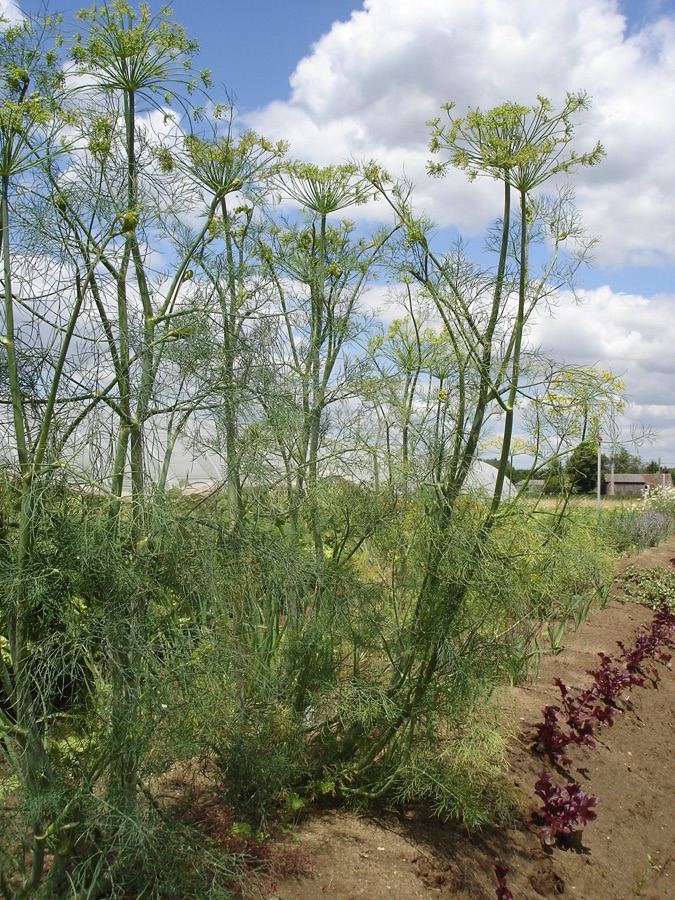
Photo: Tepeyac · CC BY-SA 3.0 · Wikimedia Commons

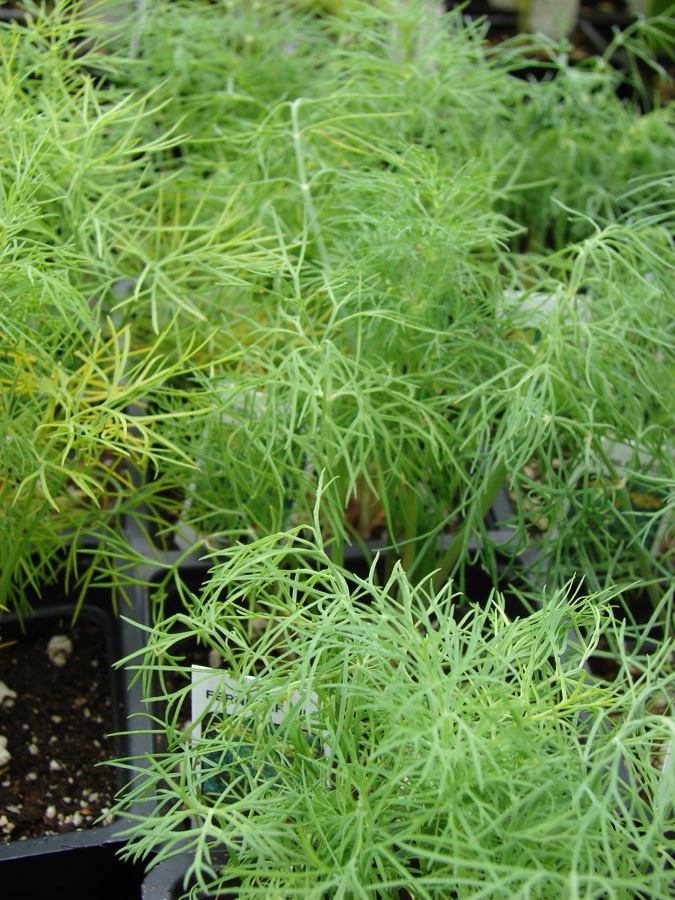
Photo: Forest & Kim Starr · CC BY 3.0 · Wikimedia Commons

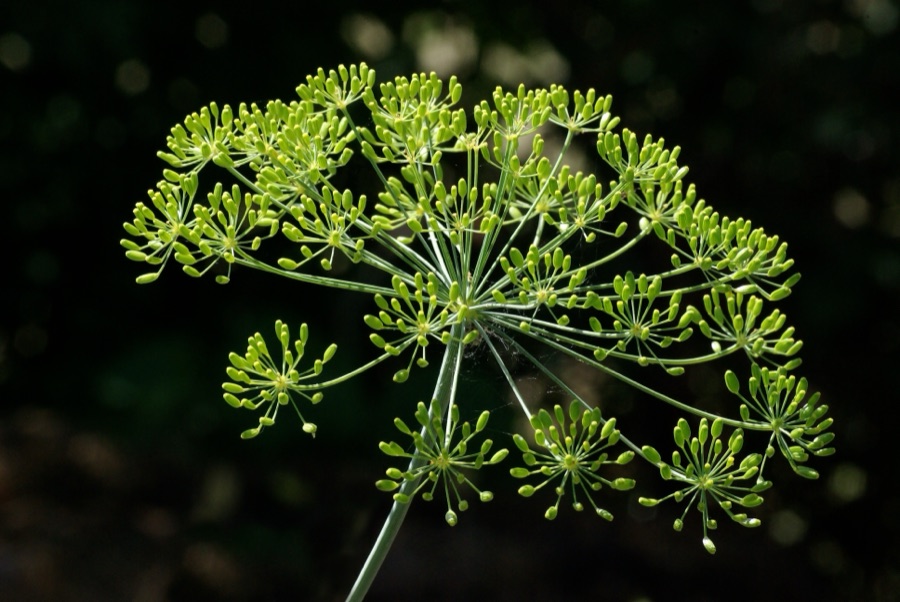
Photo: JLPC · CC BY-SA 3.0 · Wikimedia Commons

Matra and anupana
AS THE CLASSICAL TEXTS AND THE API PRESCRIBE
| Churna | 1–3 g |
| Phanta | 50–100 ml |
| Anupana | Ushnodaka · Sharkara |
| Kala | Adhobhakta |
Anethum graveolens, dill. Contraindicated in medicinal quantity in pregnancy, and the name is interchanged with Mishreya, which is fennel.
Reported from Sharangadhara Samhita and the Ayurvedic Pharmacopoeia of India. Laisha states what the texts prescribe; it does not recommend. No quantity here is adjusted for a particular person — not for agni, koshtha, bala, age, pregnancy, kidney or liver function, or anything already being taken.
Rasapanchaka
| Rasa | KatuTikta |
| Guna | LaghuRukshaTikshna |
| Virya | Ushna |
| Vipaka | Katu |
| Prabhava | The texts treat shatapushpa as acting on the garbhashaya and name it particularly in preparations given after childbirth. |
| Doshakarma | Kaphavatahara. Being ushna it increases pitta. |
Katu and tikta with ushna virya and katu vipaka.
Karma and part used
These are the actions the classical texts record. They are statements about what the tradition holds, and this library does not restate them as findings about a human body.
| Upayukta anga | Phala (the fruit) Patra (the leaf) |
| Why it matters | The dried fruit is the dravya of the texts. The leaf is eaten as a vegetable, particularly in the north and in Gujarat. |
Paryaya
Shatapushpa means hundred-flowered and describes the wide flat umbel. Shatahva says the same thing again. Shatapushpa and Mishreya are genuinely interchanged in the nighantus and in practice, and the two plants are not the same: Mishreya is Foeniculum vulgare (fennel, saunf) and Shatapushpa is Anethum graveolens (dill, soya). Both carry the paryaya Misi. This is not a tidy-up Laisha can do on the texts' behalf — it is a live ambiguity, and it matters clinically: Shatapushpa in medicinal quantity is contraindicated in pregnancy, and a reader who follows that name to the wrong plant has followed it to a different drug. Check which species a prescription or a supplier means.
Names, by language
| English | Dill |
| Sinhala | Sathakuppa |
| Nepali | Sof |
| Hindi | Soya |
| Kannada | Sabbasige |
| Tamil | Sathakuppai |
| Telugu | Sadapa |
| Malayalam | Chatakuppa |
| Marathi | Shepu |
| Gujarati | Suva |
| Bengali | Shulpha |
| Punjabi | Soya |
| Odia | Sorisha saga |
| Urdu | Soya |
Classical references
Rasa, guna, virya, vipaka and karma are recorded as the classical texts give them, with the text and section named so a student can open the book and check. Where an exact chapter and verse could not be confirmed, this library names the section rather than inventing a number.
Formulations it appears in
| Shatapushpadi Churna | Named for the dravya. |
| Dashamoolarishta | Shatapushpa appears in some recensions. |
| Sukumara Ghrita | Among the dravya of the formulation. |
Adulterants and substitutes
Fennel, Foeniculum vulgare, is the standing confusion and the two fruits look similar; fennel is sweeter and longer. Anethum sowa, Indian dill, is a closely related form with a different oil profile and is often not distinguished at all. Old fruit that has lost its oil is bulked into new.
Identity
Matched live against the GBIF backbone on 28 September 2026 at 99 per cent confidence. Peucedanum graveolens is a synonym. Commonly confused with Mishreya, fennel, which is a different genus with a sweeter profile.
A WAY TO REMEMBER IT
Anethum is the Greek anethon, dill. Graveolens is heavy-smelling — the same epithet as celery. Shata-pushpa means hundred-flowered, for the big umbel.
What the tradition holds
Shatapushpa is described in the Bhavaprakasha Nighantu and is named in the classical literature for use after childbirth. That is what the tradition holds and where it is written down, not a finding about what the fruit does in a body.
Constituents. The fruit carries an essential oil with carvone and dillapiole. Dillapiole is an apiole-type compound, which is the reason for the pregnancy caution below.
What the evidence says
| Status | Traditional use is extensive and long recorded. Modern clinical evidence is limited. |
| Suggested | Health Canada publishes monographs covering Ayurvedic ingredients and permits specific traditional-use claims, which reflects a regulator accepting a documented tradition rather than a body of clinical trial evidence. |
| Not established | There is not enough good clinical evidence to establish an effect on any named health condition. Long traditional use is not a substitute for that evidence, and this library does not present it as one. |
| The honest gap | Published work rarely distinguishes European dill from Indian dill, and their oil profiles differ substantially. |
Safety
Eaten as a vegetable and a spice with no serious harm documented at culinary use. The caution that matters is pregnancy: the fruit carries dillapiole, an apiole-type compound, apiole-rich plants have been used to procure abortion, and the tradition itself uses shatapushpa for the uterus. It is therefore not used in medicinal quantity during pregnancy, though it is traditional after childbirth. It also increases skin sensitivity to sunlight. Anyone on medication, pregnant, or managing a diagnosed condition should speak to a doctor or a qualified practitioner first.
| Side effects | Increased sensitivity of skin to sunlight Allergic reaction in those sensitive to Apiaceae Digestive irritation in quantity |
| Contraindications | Pregnancy, in medicinal quantity. Known allergy to plants of the Apiaceae family. |
| Interactions | Oestrogen-sensitive conditions — weak oestrogenic activity reported, as for fennel. Contraindicated in medicinal quantity in pregnancy — the classical position and a sound modern one. Confirm the species: Shatapushpa is Anethum graveolens, and the name is interchanged with Mishreya, which is fennel. |
| Pregnancy and breastfeeding | Not to be used in medicinal quantity in pregnancy. Ordinary culinary use is long established, and use after childbirth is traditional and should still be discussed with a qualified practitioner. |
Growing it
| Climate | Cool season; grown through the Indian winter. |
| Soil | Well-drained loam. |
| Planting | Sown direct; a fast annual. |
| Harvest | Umbels cut as the fruit turns brown, dried and threshed. Leaf cut through the season. |
| What is not stated | This library has not verified region-specific spacing, variety and yield figures against a named agricultural authority for every growing country, and does not state them rather than guessing. |
Grown as a crop: how to grow dill, from sowing to harvest, in Laisha's grow guides.
Check this page
Print it and the code still works. It goes to this page and nowhere else.
What this is not
- This is a study and clinical reference for practitioners and students. The matra and anupana it records are what the classical texts and the Ayurvedic Pharmacopoeia of India PRESCRIBE — Laisha reports them, it does not recommend them. They are not a prescription for any particular person, and they are not adjusted for your age, agni, koshtha, bala, pregnancy, kidney or liver function, or anything else you are already taking. Only a qualified practitioner who has examined you can do that.
- Traditional classification is recorded as what the classical texts say, with the text and the place in it named so it can be checked. It is not restated as a finding about a human body.
- Nothing here replaces a qualified Ayurvedic practitioner or a doctor.
Sources
https://api.gbif.org/v1/species/match?name=Anethum%20graveolens
https://pcimh.gov.in/
https://www.canada.ca/en/health-canada/services/drugs-health-products/natural-non-prescription/applications-submissions/product-licensing/compendium-monographs.html
https://niimh.nic.in/ebooks/esharangadhara/