Tagara
तगर
Valeriana jatamansi Jones
Caprifoliaceae · Valeriana
One name, more than one plant
Matched live against the GBIF backbone on 28 September 2026 at 99 per cent confidence. The species epithet jatamansi belongs to this plant, but Jatamansi the dravya is Nardostachys jatamansi, a different genus. Two plants, one epithet, and a great deal of confusion in the trade — set out below.
Benefits & side effects
TRADITIONAL VIEW, WITH SAFETY LIMITS
What the texts say Tagara does
- Nidrajanana — induces sleep
- Medhya — supports intellect and memory
- Vedanasthapana — relieves pain
- Vishaghna — antidote (against poison)
- Krimighna — anthelmintic (against worms)
What the evidence says. Traditional use is extensive and long recorded. Modern clinical evidence is limited.
Side effects and limits
- Drowsiness, including the next morning
- Headache
- Digestive upset
- Vivid dreams
Avoid or ask first: Pregnancy and breastfeeding.
A traditional classification, not a recommendation. The full safety record is below.
Stands in 2 groups
- Sheetaprashamana — Allaying cold
- Eladi — Vata and Kapha, poison, and itching
A Samhita can only be read forwards, from the group to its members. This is the same list read backwards.
Photographs
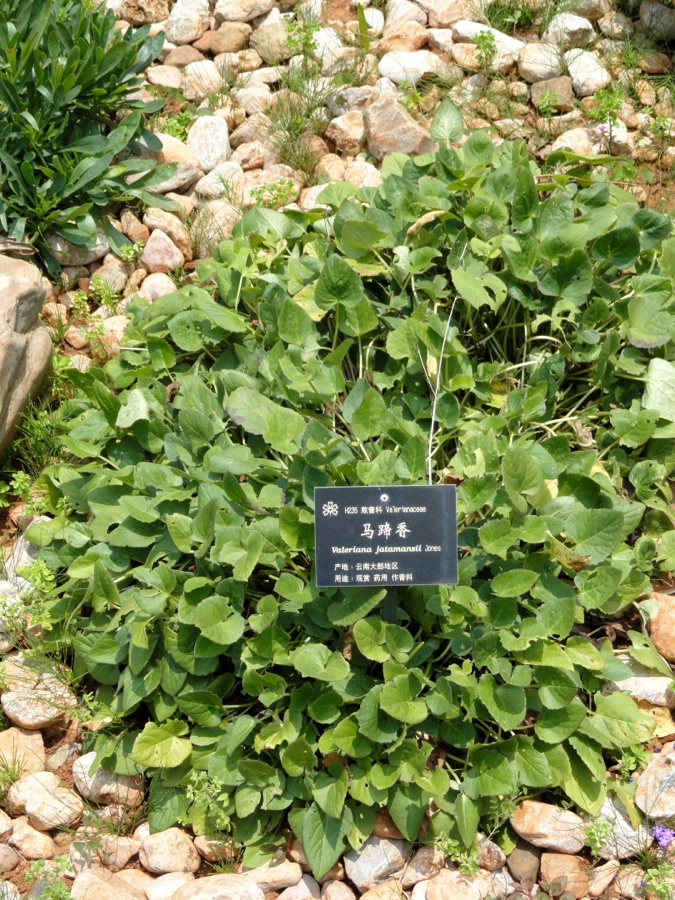
Photo: Daderot · Public domain · Wikimedia Commons

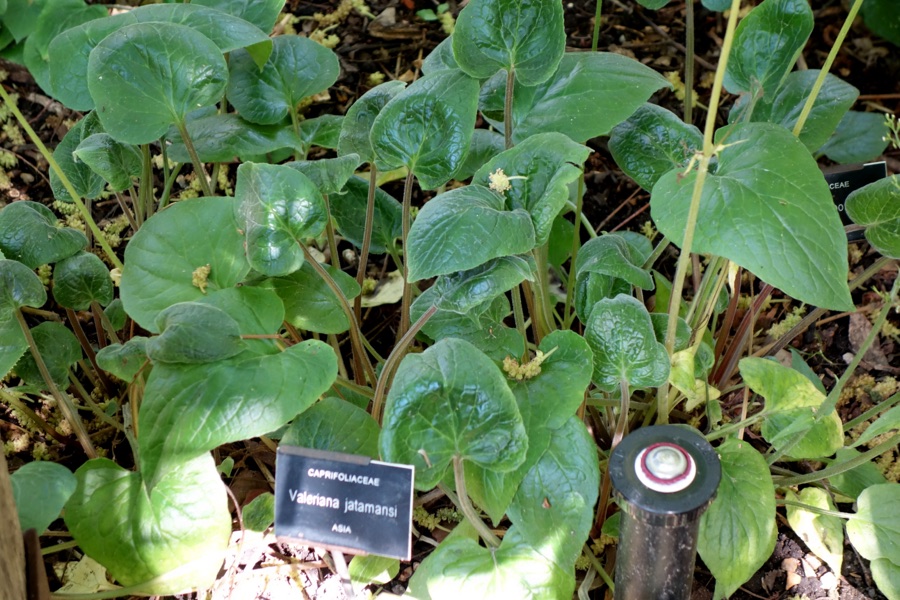
Photo: Daderot · CC0 · Wikimedia Commons

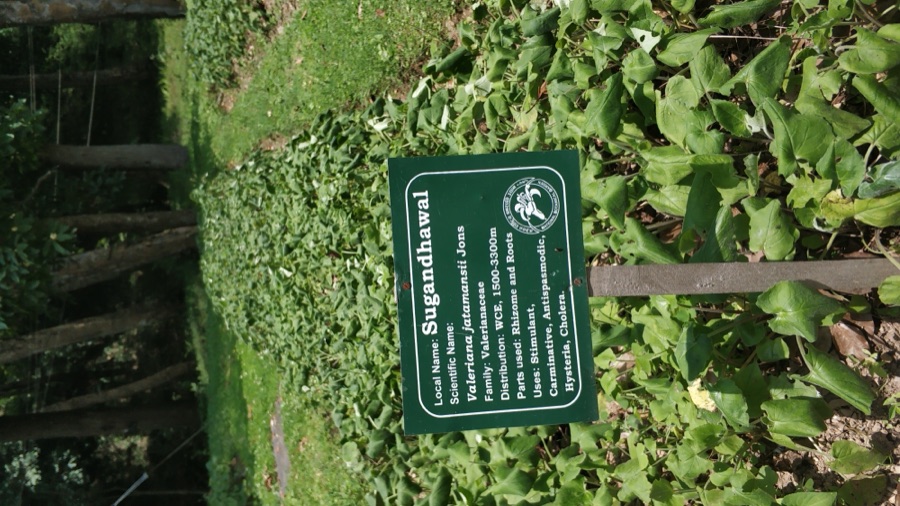
Photo: Janak Bhatta · CC BY-SA 4.0 · Wikimedia Commons

Matra and anupana
AS THE CLASSICAL TEXTS AND THE API PRESCRIBE
| Churna | 1–3 g |
| Kwatha | 20–40 ml |
| Anupana | Ushnodaka · Dugdha |
| Kala | Ratri |
Valeriana jatamansi, not Nardostachys jatamansi. The epithet is shared and the drugs are not.
Reported from Sharangadhara Samhita and the Ayurvedic Pharmacopoeia of India. Laisha states what the texts prescribe; it does not recommend. No quantity here is adjusted for a particular person — not for agni, koshtha, bala, age, pregnancy, kidney or liver function, or anything already being taken.
Rasapanchaka
| Rasa | TiktaKatuKashaya |
| Guna | LaghuSnigdha |
| Virya | Ushna |
| Vipaka | Katu |
| Prabhava | The texts treat tagara as nidrajanana and medhya, and pair it with jatamansi where the mind is unsettled — which is part of why the two names blur. |
| Doshakarma | Tridoshahara. |
Tikta, katu and kashaya with ushna virya and katu vipaka.
Karma and part used
These are the actions the classical texts record. They are statements about what the tradition holds, and this library does not restate them as findings about a human body.
| Upayukta anga | Kanda (the rhizome) |
| Why it matters | The rhizome is the dravya, strongly and unpleasantly aromatic. |
Paryaya
Kutila and Vakra both mean crooked and describe the bent rhizome. Nata means bowed, saying it again — the identification is in the shape.
Names, by language
| English | Indian valerian |
| Sinhala | Tagara |
| Nepali | Sugandhawal |
| Hindi | Tagar |
| Kannada | Tagade beru |
| Tamil | Takaram |
| Telugu | Tagaramu |
| Malayalam | Takaram |
| Marathi | Tagar |
| Gujarati | Tagar |
| Bengali | Tagarpadi |
| Punjabi | Mushkbala |
| Odia | Tagara |
| Urdu | Asarun |
Classical references
Rasa, guna, virya, vipaka and karma are recorded as the classical texts give them, with the text and section named so a student can open the book and check. Where an exact chapter and verse could not be confirmed, this library names the section rather than inventing a number.
Formulations it appears in
| Manasamitra Vataka | Among the dravya of the formulation. |
| Tagaradi Churna | Named for the dravya. |
| Nidraakara Churna | Among the dravya of the formulation. |
Adulterants and substitutes
Valeriana jatamansi is sold as Jatamansi because of the shared epithet, and Nardostachys jatamansi — the real Jatamansi, which is scarcer and dearer — is what the buyer usually wanted. The substitution goes almost entirely one way, cheap for dear, and a buyer who knows only the word jatamansi cannot tell. Valeriana officinalis, the European valerian, is also imported and sold as tagara.
Identity
Matched live against the GBIF backbone on 28 September 2026 at 99 per cent confidence. The species epithet jatamansi belongs to this plant, but Jatamansi the dravya is Nardostachys jatamansi, a different genus. Two plants, one epithet, and a great deal of confusion in the trade — set out below.
A WAY TO REMEMBER IT
Valeriana is from valere, to be strong or well. Jatamansi is the epithet borrowed from the other drug — which is precisely the confusion to remember: Tagara is Valeriana jatamansi, Jatamansi is Nardostachys jatamansi.
What the tradition holds
Tagara is described in the Bhavaprakasha Nighantu and is named in the classical literature for sleep and for the mind. That is what the tradition holds and where it is written down, not a finding about what the rhizome does in a body.
Constituents. The rhizome carries valepotriates and sesquiterpenes including valerenic acid, the same broad class as European valerian.
What the evidence says
| Status | Traditional use is extensive and long recorded. Modern clinical evidence is limited. |
| Suggested | Health Canada publishes monographs covering Ayurvedic ingredients and permits specific traditional-use claims, which reflects a regulator accepting a documented tradition rather than a body of clinical trial evidence. |
| Not established | There is not enough good clinical evidence to establish an effect on any named health condition. Long traditional use is not a substitute for that evidence, and this library does not present it as one. |
| The honest gap | Published work on valerian is mostly on Valeriana officinalis, a different species, and should not be read across without care. |
Safety
Calming, which means it adds to the effect of sedative medicines and of alcohol, and matters for anyone driving or operating machinery. Valerian preparations are documented to cause drowsiness the following morning in some people. The naming confusion above is a practical safety issue too: someone who believes they have Jatamansi and has Tagara is taking a different plant with a different profile. Anyone on medication, pregnant, or managing a diagnosed condition should speak to a doctor or a qualified practitioner first.
| Side effects | Drowsiness, including the next morning Headache Digestive upset Vivid dreams |
| Contraindications | Pregnancy and breastfeeding. |
| Interactions | Sedatives, benzodiazepines, barbiturates and alcohol — additive sedation. This is the commonest real-world interaction for a valerian. Anaesthesia — tell the anaesthetist; valerian may potentiate it. |
| Pregnancy and breastfeeding | Not to be used in pregnancy or breastfeeding. |
Growing it
| Climate | Temperate Himalaya, roughly 1500 to 3000 metres. |
| Soil | Moist, humus-rich hill ground with some shade. |
| Planting | Grown from seed or rhizome division. |
| Harvest | Rhizomes lifted after a year or two, washed and dried in shade. |
| What is not stated | This library has not verified region-specific spacing, variety and yield figures against a named agricultural authority for every growing country, and does not state them rather than guessing. |
Check this page
Print it and the code still works. It goes to this page and nowhere else.
What this is not
- This is a study and clinical reference for practitioners and students. The matra and anupana it records are what the classical texts and the Ayurvedic Pharmacopoeia of India PRESCRIBE — Laisha reports them, it does not recommend them. They are not a prescription for any particular person, and they are not adjusted for your age, agni, koshtha, bala, pregnancy, kidney or liver function, or anything else you are already taking. Only a qualified practitioner who has examined you can do that.
- Traditional classification is recorded as what the classical texts say, with the text and the place in it named so it can be checked. It is not restated as a finding about a human body.
- Nothing here replaces a qualified Ayurvedic practitioner or a doctor.
Sources
https://api.gbif.org/v1/species/match?name=Valeriana%20jatamansi%20Jones
https://pcimh.gov.in/
https://www.canada.ca/en/health-canada/services/drugs-health-products/natural-non-prescription/applications-submissions/product-licensing/compendium-monographs.html
https://niimh.nic.in/ebooks/esharangadhara/