Tila
तिल
Sesamum indicum L.
Pedaliaceae · Sesamum
Benefits & side effects
TRADITIONAL VIEW, WITH SAFETY LIMITS
What the texts say Tila does
- Vatahara — pacifies vata
- Balya — strengthening
- Keshya — good for the hair
- Twachya — good for the skin
- Vranaropana — heals wounds
- Dantya — good for the teeth
What the evidence says. Traditional use is extensive and long recorded. Modern clinical evidence is limited.
Side effects and limits
- Digestive heaviness
- Aggravation of acidity in quantity
Avoid or ask first: Known sesame allergy — including for external oil preparations.
A traditional classification, not a recommendation. The full safety record is below.
Stands in 1 group
- Swedopaga — Adjuvant to sudation
A Samhita can only be read forwards, from the group to its members. This is the same list read backwards.
Photographs
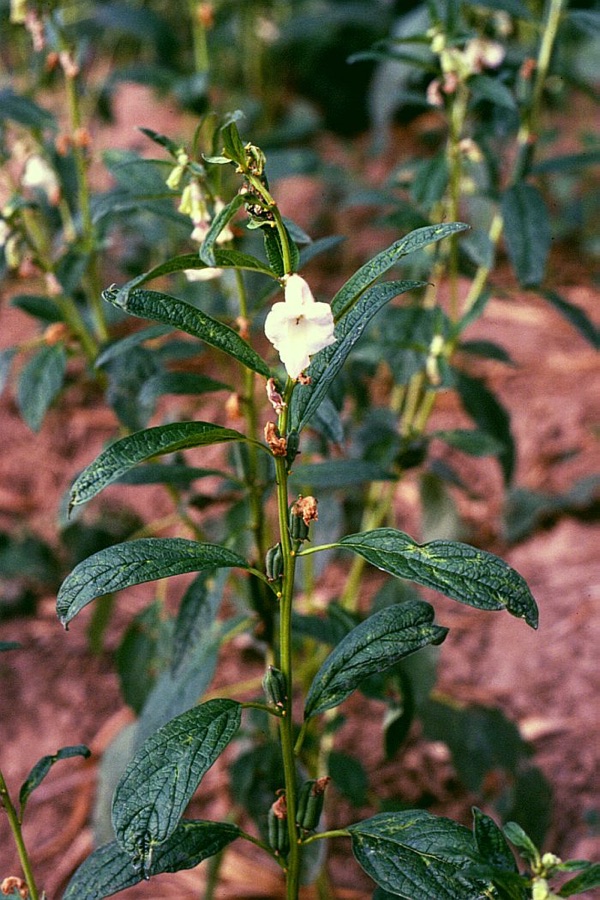
Photo: Franz Xaver · CC BY-SA 3.0 · Wikimedia Commons

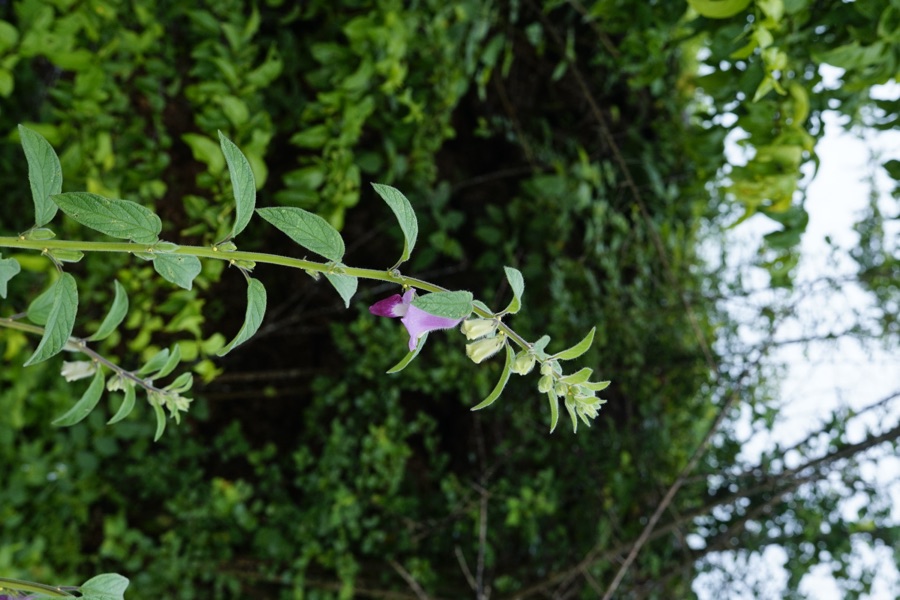
Photo: Vengolis · CC BY-SA 4.0 · Wikimedia Commons

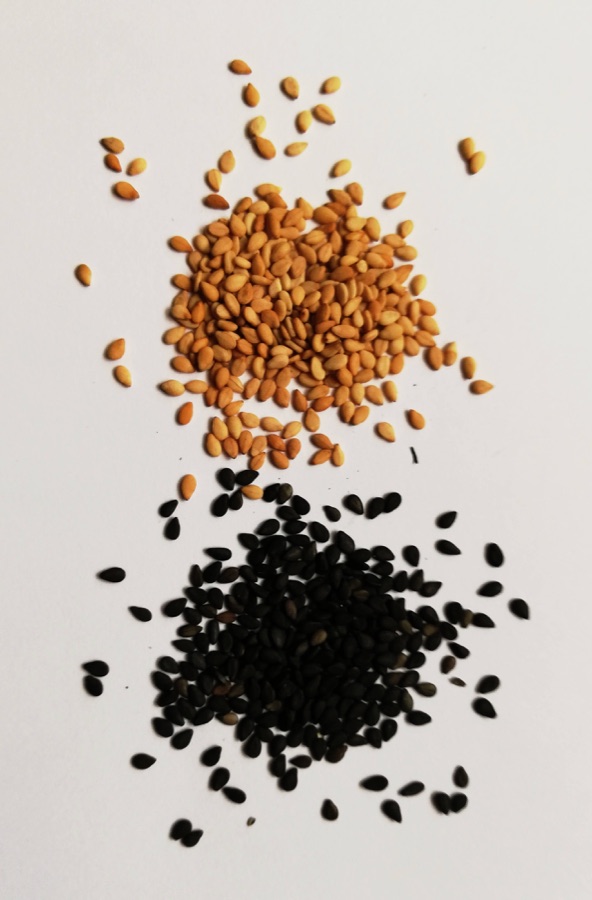
Photo: Pancrat · CC BY-SA 4.0 · Wikimedia Commons

Matra and anupana
AS THE CLASSICAL TEXTS AND THE API PRESCRIBE
| Beeja | 5–10 g |
| Taila | 5–10 ml |
| Anupana | Guda · Dugdha |
| Kala | Adhobhakta |
Tila taila is the classical base for abhyanga and for most medicated oils. A major allergen.
Reported from Sharangadhara Samhita and the Ayurvedic Pharmacopoeia of India. Laisha states what the texts prescribe; it does not recommend. No quantity here is adjusted for a particular person — not for agni, koshtha, bala, age, pregnancy, kidney or liver function, or anything already being taken.
Rasapanchaka
| Rasa | MadhuraTiktaKashaya |
| Guna | GuruSnigdha |
| Virya | Ushna |
| Vipaka | Madhura |
| Prabhava | The texts treat tila taila as the foremost of oils for vata and name it the base for almost every medicated oil, which is why a student meets it in more formulations than any other single article. |
| Doshakarma | Vatahara. Being guru and snigdha it increases kapha, and being ushna it increases pitta. |
Madhura with tikta and kashaya, ushna virya and madhura vipaka.
Karma and part used
These are the actions the classical texts record. They are statements about what the tradition holds, and this library does not restate them as findings about a human body.
| Upayukta anga | Beeja (the seed) Taila (the oil) |
| Why it matters | The seed and the oil pressed from it. The texts distinguish black, white and red seed, and hold the black to be the best for medicinal use. |
Paryaya
Snehaphala, the fruit of oil, is the practical name: sneha means both oil and affection, and tila is the source of the first. Pitrutarpana records its use in offerings to ancestors.
Names, by language
| English | Sesame |
| Sinhala | Thala |
| Nepali | Til |
| Hindi | Til |
| Kannada | Ellu |
| Tamil | Ellu |
| Telugu | Nuvvulu |
| Malayalam | Ellu |
| Marathi | Til |
| Gujarati | Tal |
| Bengali | Til |
| Punjabi | Til |
| Odia | Rasi |
| Urdu | Kunjad |
Classical references
Rasa, guna, virya, vipaka and karma are recorded as the classical texts give them, with the text and section named so a student can open the book and check. Where an exact chapter and verse could not be confirmed, this library names the section rather than inventing a number.
Formulations it appears in
| Bala Taila | Tila taila is the base. |
| Ksheerabala Taila | Tila taila is the base. |
| Mahanarayana Taila | Tila taila is the base. |
Adulterants and substitutes
Sesame oil is adulterated with cheaper oils — groundnut, cottonseed, palm — and the substitution is invisible once blended. Cottonseed oil matters particularly because it carries gossypol. Roasted and cold-pressed oils are different articles and the texts mean the cold-pressed.
Identity
Matched live against the GBIF backbone on 28 September 2026 at 99 per cent confidence. The oil of this seed is the default base of Ayurvedic oil preparations — when a text says taila without qualification, it means sesame oil.
A WAY TO REMEMBER IT
Sesamum is from the Semitic simsim, through Greek. Indicum, of India. Open sesame is the same word.
What the tradition holds
Charaka names tila taila the foremost among oils in the Snehadhyaya. That is what the tradition holds and where it is written down, not a finding about what the oil does in a body.
Constituents. The seed carries about half its weight as oil, rich in sesamin and sesamolin, along with lignans and a substantial amount of calcium in the unhulled seed.
What the evidence says
| Status | Traditional use is extensive and long recorded. Modern clinical evidence is limited. |
| Suggested | Health Canada publishes monographs covering Ayurvedic ingredients and permits specific traditional-use claims, which reflects a regulator accepting a documented tradition rather than a body of clinical trial evidence. |
| Not established | There is not enough good clinical evidence to establish an effect on any named health condition. Long traditional use is not a substitute for that evidence, and this library does not present it as one. |
| The honest gap | Published work rarely distinguishes cold-pressed from roasted or refined oil, and the tradition means the first. |
Safety
Food, and among the most-used articles in Ayurveda. The caution that matters is allergy: sesame is one of the major food allergens, reactions can be severe and include anaphylaxis, and it is now a declarable allergen in several countries for that reason. It is also ushna and guru, so medicinal quantities aggravate pitta and kapha. Anyone on medication, pregnant, or managing a diagnosed condition should speak to a doctor or a qualified practitioner first.
| Side effects | Digestive heaviness Aggravation of acidity in quantity |
| Contraindications | Known sesame allergy — including for external oil preparations. |
| Interactions | Antihypertensives — sesame lowers blood pressure in trials; the effect is additive. Antidiabetic medicines — modest additive lowering. Sesame is a major allergen and anaphylaxis is documented — the most clinically relevant fact in this entry. |
| Pregnancy and breastfeeding | Ordinary culinary use is long established. Medicinal quantities of seed are traditionally cautioned against in pregnancy and should be discussed with a qualified practitioner. |
Growing it
| Climate | Hot dry tropical; drought-hardy. |
| Soil | Well-drained sandy loam. It fails in waterlogging. |
| Planting | Sown direct as a short-season annual. |
| Harvest | Plants cut when the lowest capsules begin to split, then stacked and shaken so the seed falls out. |
| What is not stated | This library has not verified region-specific spacing, variety and yield figures against a named agricultural authority for every growing country, and does not state them rather than guessing. |
Grown as a crop: how to grow sesame, from sowing to harvest, in Laisha's grow guides.
Check this page
Print it and the code still works. It goes to this page and nowhere else.
What this is not
- This is a study and clinical reference for practitioners and students. The matra and anupana it records are what the classical texts and the Ayurvedic Pharmacopoeia of India PRESCRIBE — Laisha reports them, it does not recommend them. They are not a prescription for any particular person, and they are not adjusted for your age, agni, koshtha, bala, pregnancy, kidney or liver function, or anything else you are already taking. Only a qualified practitioner who has examined you can do that.
- Traditional classification is recorded as what the classical texts say, with the text and the place in it named so it can be checked. It is not restated as a finding about a human body.
- Nothing here replaces a qualified Ayurvedic practitioner or a doctor.
Sources
https://api.gbif.org/v1/species/match?name=Sesamum%20indicum
https://pcimh.gov.in/
https://www.canada.ca/en/health-canada/services/drugs-health-products/natural-non-prescription/applications-submissions/product-licensing/compendium-monographs.html
https://niimh.nic.in/ebooks/esharangadhara/