Yava
यव
Hordeum vulgare L.
Poaceae · Hordeum
Benefits & side effects
TRADITIONAL VIEW, WITH SAFETY LIMITS
Hindi name: Jau
What the texts say Yava does
- Lekhana — scraping, reduces excess tissue and fat
- Medohara — reduces fat
- Mutrala — diuretic
- Balya — strengthening
- Sthairyakara — gives firmness and stability to the body
What the evidence says. Traditional use is long recorded. Modern clinical evidence is limited.
Side effects and limits
An ordinary food grain in worldwide use, eaten in quantity. The only meaningful cautions are the ordinary ones for a cereal: it contains gluten and is unsuitable for anyone with coeliac disease, and it is high in fermentable carbohydrate. Anyone pregnant, on medication or managing a diagnosed condition should speak to a doctor or a qualified practitioner first.
Avoid or ask first: Not used in coeliac disease or in established gluten sensitivity, because barley contains gluten.
A traditional classification, not a recommendation. The full safety record is below.
Stands in 3 groups
- Shramahara — Relieving fatigue
- Swedopaga — Adjuvant to sudation
- Chhardinigrahana — Arresting vomiting
A Samhita can only be read forwards, from the group to its members. This is the same list read backwards.
Photographs
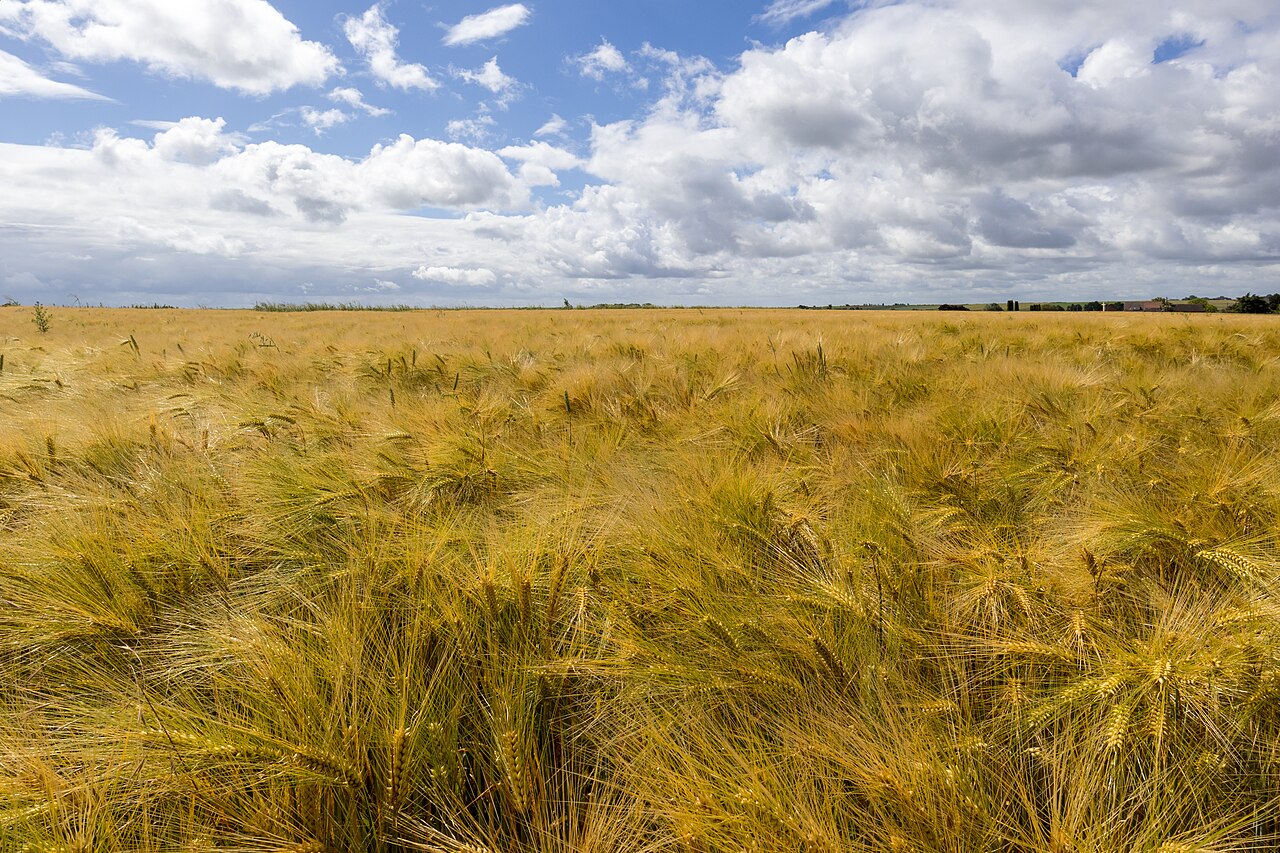
Photo: JackyM59 · CC BY-SA 4.0 · Wikimedia Commons

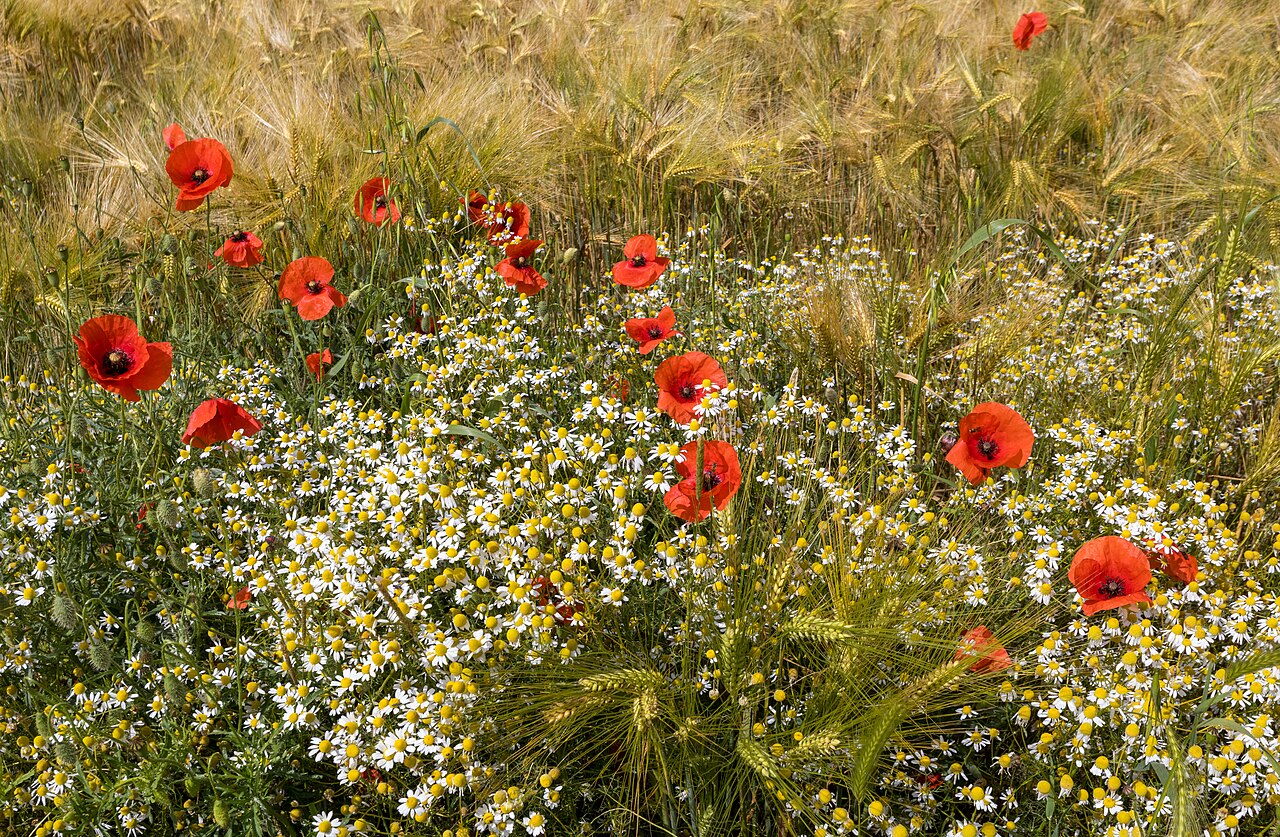
Photo: JackyM59 · CC BY-SA 4.0 · Wikimedia Commons

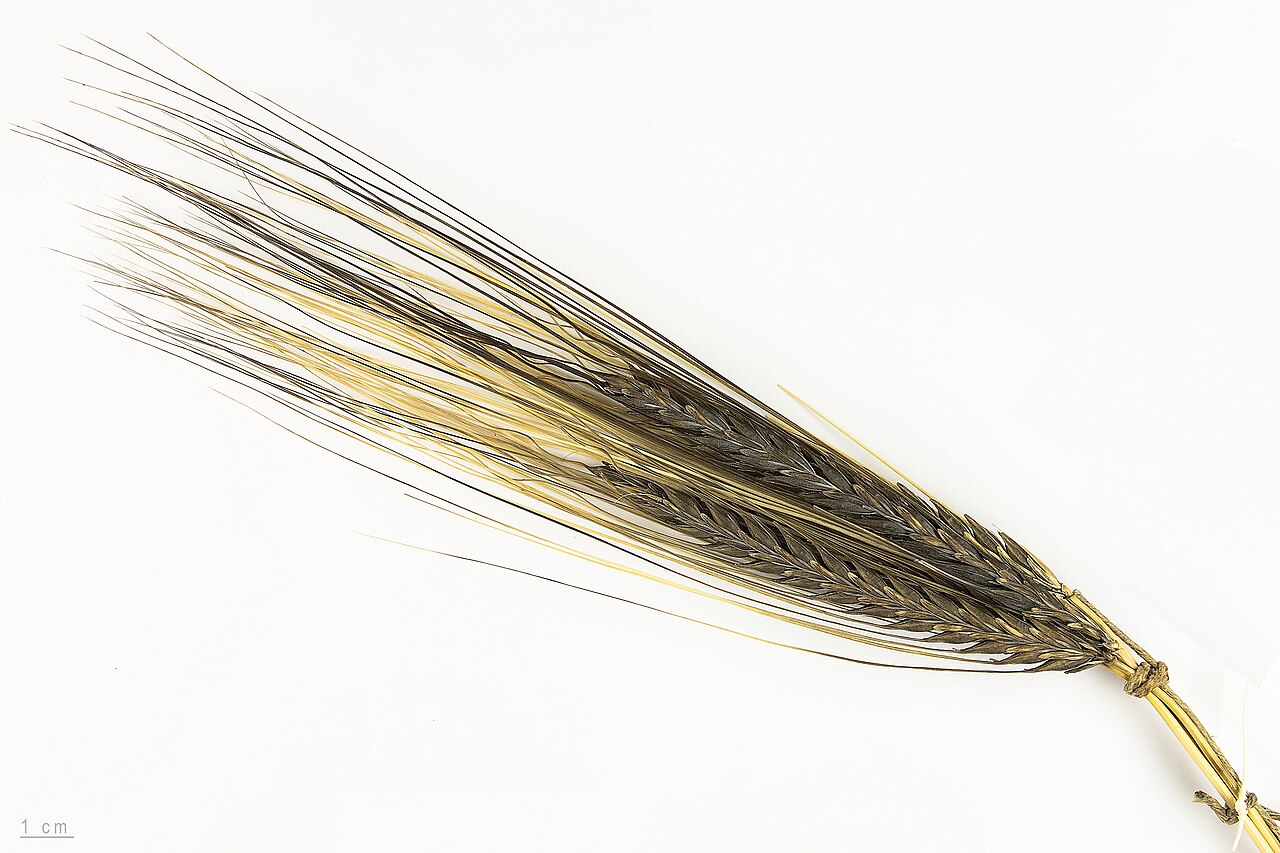
Photo: Roger Culos · CC BY-SA 3.0 · Wikimedia Commons

Matra and anupana
AS THE CLASSICAL TEXTS AND THE API PRESCRIBE
| As food, saktu or yavagu | As a dietary article, not a measured dose |
| Yava kshara | 250–500 mg |
| Anupana | Ushnodaka · Takra |
| Kala | Adhobhakta |
Yava is a pathya dravya taken as food. The kshara prepared from it is a medicine with its own matra.
Reported from Sharangadhara Samhita and the Ayurvedic Pharmacopoeia of India. Laisha states what the texts prescribe; it does not recommend. No quantity here is adjusted for a particular person — not for agni, koshtha, bala, age, pregnancy, kidney or liver function, or anything already being taken.
Rasapanchaka
| Rasa | MadhuraKashaya |
| Guna | GuruRukshaSheeta |
| Virya | Sheeta |
| Vipaka | Madhura |
| Prabhava | Yava is the pathya grain of prameha and of sthaulya, which is the opposite of what a heavy, sweet grain would usually be prescribed for, and the texts attribute it to its rukshata. |
| Doshakarma | Kaphapittahara. Increases vata. |
Madhura and kashaya with sheeta virya and madhura vipaka. It is the grain the texts reach for when a food must nourish without increasing kapha.
Karma and part used
These are the actions the classical texts record. They are statements about what the tradition holds, and this library does not restate them as findings about a human body.
| Upayukta anga | Bija (the grain) |
| Why it matters | The grain, usually as flour, as saktu, or as the water in which it was boiled. |
Paryaya
Hayapriya, dear to horses, records what most of the crop was actually for.
Names, by language
| English | Barley |
| Hindi | Jau |
| Kannada | Jave godhi |
| Tamil | Barli arisi |
| Telugu | Barli biyyam |
| Malayalam | Barli |
| Marathi | Sature |
| Gujarati | Jav |
| Bengali | Jab |
| Odia | Jaba |
| Urdu | Jau |
Classical references
Formulations it appears in
| Yavagu | The thin gruel named for the grain, used throughout the samsarjana krama. |
| Saktu | Roasted barley flour, a classical preparation. |
| Yava kshara | The alkali prepared from the whole plant. |
Adulterants and substitutes
Barley is a commodity grain and adulteration is not the issue; what is sold as jau in an Indian market may be pearled and polished, which removes the bran the texts are relying on for its rukshata. Whole grain and pearled barley are not the same article for this purpose.
Identity
Hordeum vulgare is unambiguous. It is among the oldest cultivated grains and is named in the Rigveda before it is named in any medical text.
A WAY TO REMEMBER IT
Hordeum is the classical Latin for barley. Vulgare means common, which for this grain is an understatement: it was domesticated in the Fertile Crescent and is named in the Rigveda. Yava is one of the oldest words for a crop in any Indo-European language.
What the tradition holds
Yava is described among the shuka dhanya in the Annapana Vidhi of both Charaka and Sushruta and is named for prameha and medoroga. That is what the tradition records.
What the evidence says
| Status | Traditional use is long recorded. Modern clinical evidence is limited. |
| Suggested | The dravya holds a pharmacopoeial monograph in India, which records an accepted identity and quality standard for the article. That is a standard for the material, not evidence of an effect in a body. |
| Not established | There is not enough good clinical evidence to establish an effect on any named health condition. Long traditional use is not a substitute for that evidence, and this library does not present it as one. |
| The honest gap | Published work on this dravya rarely records the origin or the standard of the material tested, so results cannot be attributed to a defined article. |
Safety
An ordinary food grain in worldwide use, eaten in quantity. The only meaningful cautions are the ordinary ones for a cereal: it contains gluten and is unsuitable for anyone with coeliac disease, and it is high in fermentable carbohydrate. Anyone pregnant, on medication or managing a diagnosed condition should speak to a doctor or a qualified practitioner first.
| Contraindications | Not used in coeliac disease or in established gluten sensitivity, because barley contains gluten. |
| Interactions | Barley is high in soluble beta-glucan fibre, which slows gastric emptying and reduces the absorption of several medicines taken at the same time — levothyroxine, digoxin and the anticoagulant warfarin among them. Separating a medicine from a large fibre load by an hour or two avoids it. This is documented for dietary fibre generally and is not specific to barley. In anyone taking insulin or a sulfonylurea, a large barley meal changes the glycaemic load and so changes the dose needed. That is a reason to keep the diet steady rather than a reason to avoid the grain. |
| Pregnancy and breastfeeding | An ordinary food, eaten in pregnancy without concern. |
Growing it
Grown as a crop: how to grow barley, from sowing to harvest, in Laisha's grow guides.
Check this page
Print it and the code still works. It goes to this page and nowhere else.
What this is not
- This is a study and clinical reference for practitioners and students. The matra and anupana it records are what the classical texts and the Ayurvedic Pharmacopoeia of India PRESCRIBE — Laisha reports them, it does not recommend them. They are not a prescription for any particular person, and they are not adjusted for your age, agni, koshtha, bala, pregnancy, kidney or liver function, or anything else you are already taking. Only a qualified practitioner who has examined you can do that.
- Traditional classification is recorded as what the classical texts say, with the text and the place in it named so it can be checked. It is not restated as a finding about a human body.
- Nothing here replaces a qualified Ayurvedic practitioner or a doctor.
Sources
https://api.gbif.org/v1/species/match?name=Hordeum%20vulgare%20L.
https://pcimh.gov.in/
https://niimh.nic.in/ebooks/ebnighantu/
https://niimh.nic.in/ebooks/esharangadhara/