 Laisha
AI Operating System for Agriculture
Enter Laisha
Laisha
AI Operating System for Agriculture
Enter Laisha
Aegle marmelos · Also called: Wood apple, Stone apple, Bel, Bilva, Bilwa, Koovalam, Maredu, Golden apple
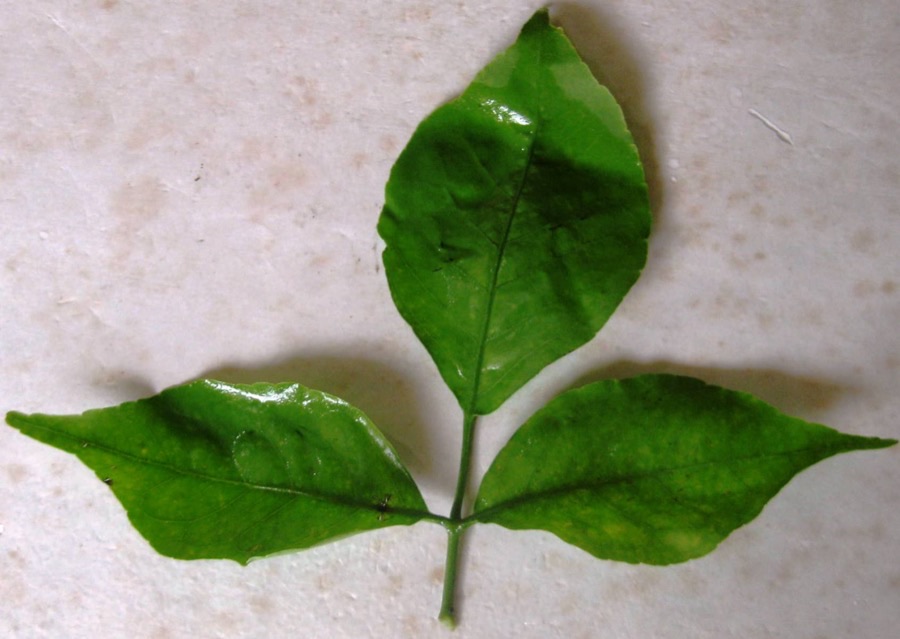
Photo: Salil Kumar Mukherjee, CC BY-SA 4.0 (Wikimedia Commons)
Bael is the tree you plant where the soil report is bad news. It grows on land that is too dry, too poor, too salty or too alkaline for almost any other fruit tree, it survives both severe drought and temporary flooding, and once it is up it asks for nothing. Across India and much of tropical Asia it is planted on wasteland, field boundaries and canal banks, and it keeps bearing for decades. It carries a second income most fruit trees do not have: the leaves are sacred to Shiva and are bought in quantity for temple use. And its fruit, unusually, keeps. A hard woody shell that has to be cracked with a stone is an inconvenience in the kitchen and an enormous advantage in the market, because it means this fruit travels and waits in a way that almost nothing else in this library does.
If you see: Fruit that never softens, with pulp that stays hard, pale and bitter however long it is kept.
It likely means: It was picked before it was ripe. Because the shell is hard at every stage, it is very easy to misjudge, and this fruit does not ripen properly once it is off the tree.
Do this: Wait for the shell to turn from deep green to pale yellowish-green and then yellow.
If you see: Fruit with cracks in the shell that goes soft and rotten within days.
It likely means: It was dropped or knocked down. The shell is hard but brittle, and a crack lets rot straight into the pulp.
Do this: Cut fruit with a short stalk rather than pulling or shaking it down.
If you see: A tree that drops every leaf and stands bare for weeks in the dry season.
It likely means: Nothing is wrong. Bael is deciduous and sheds its leaves through the dry period, then flushes again with the new season.
Do this: Do not water heavily or feed in an attempt to revive it.
If you see: A healthy mature tree that flowers but sets a disappointing number of fruits.
It likely means: Often a single isolated tree, sometimes a seedling of poor type, sometimes a tree pruned at the wrong time.
Do this: Plant more than one tree, since a lone tree often sets a lighter crop.
If you see: Hard scales along the twigs, white waxy clusters at the leaf joints, sticky leaves and black mould.
It likely means: Scale insects and mealybugs. They feed on the sap and the sticky honeydew they leave grows a black mould that blocks the light.
Do this: Scrape or wash small infestations off before they spread.
If you see: A good crop of fruit and no obvious market for it.
It likely means: Bael is almost never eaten as a dessert fruit. Nearly all of it is processed, so the buyer is a trader or a processor rather than a fruit stall.
Do this: Find out who processes bael near you, and find out before harvest.
Growing the crop is only part of the job. The last part is knowing what a normal harvest looks like where you are, and knowing what your bael is worth before you agree a price with anybody.
If you forget every other page of this guide, keep these lines. They are the whole crop, in order, short enough to carry in your head.
What do the leaves look like?
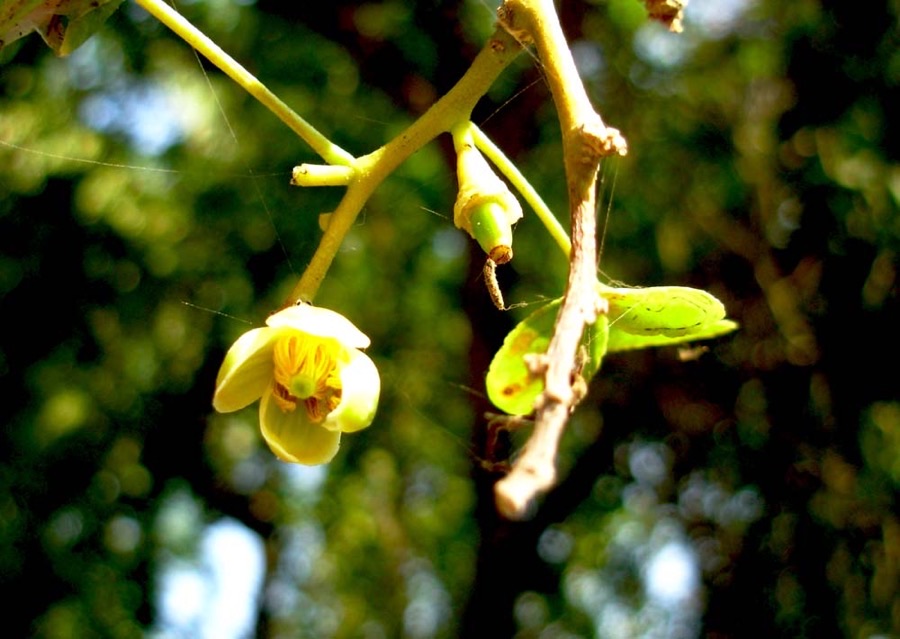
What do the flowers look like?
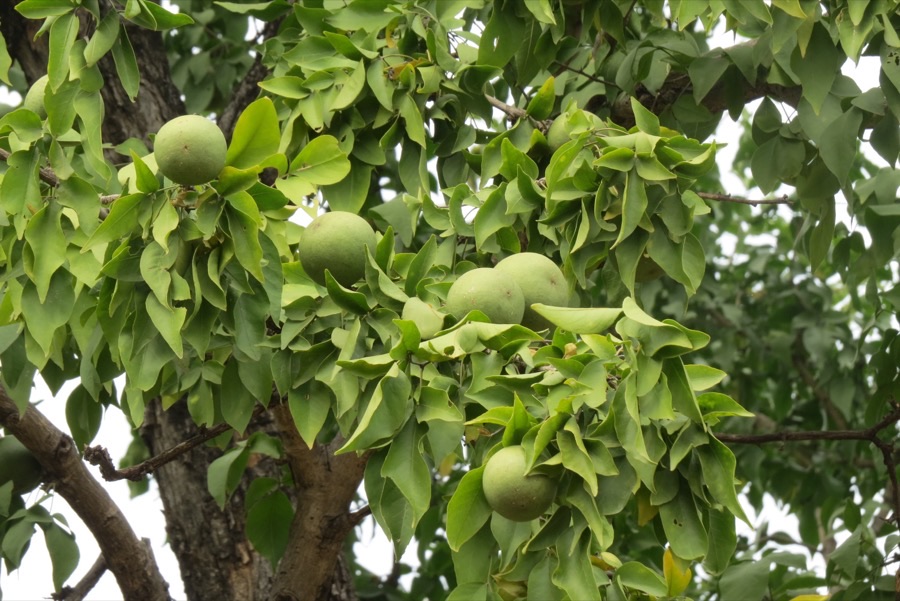
What does the developing fruit look like?
This plant is also a dravya of Ayurveda. Bilva in Dravyaguna: its botanical identity, rasa, virya and karma, the part used, the dose the texts give, and its safety record.