 Laisha
AI Operating System for Agriculture
Enter Laisha
Laisha
AI Operating System for Agriculture
Enter Laisha
Cinnamomum verum · Also called: True cinnamon, Ceylon cinnamon, Kurundu, Dalchini, Karuvappatta, Lavanga pattai, Cannelle, Canela
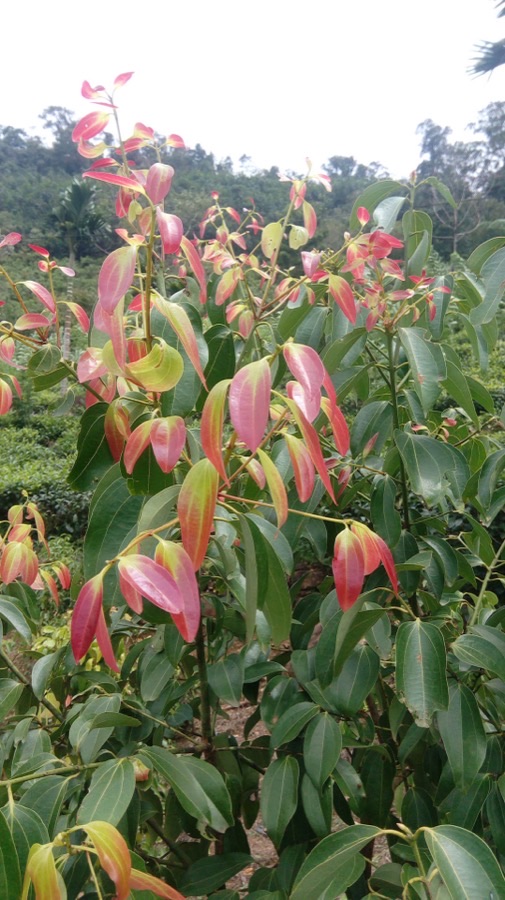
Photo: Backbone DM, CC BY-SA 4.0 (Wikimedia Commons)
True cinnamon is one of the few crops in the world where one country holds almost the whole trade: Sri Lanka grows the overwhelming majority of it, with the Seychelles, Madagascar and parts of southern India also producing. It is grown quite unlike any other spice here. The plant is not allowed to become a tree at all: it is cut down to the ground and kept as a low bush, and what you harvest is the inner bark peeled off the young shoots it throws up. That peeling is a skilled trade in its own right, learned over years, and the peeler decides the grade more than the grower does. The honest complication is the competition: most of the world's cinnamon is cassia from other species, which is cheaper, harder, darker and carries far more of a compound called coumarin that some health authorities advise limiting. Knowing which you are growing and which your buyer wants is the whole commercial question.
If you see: Cut shoots whose bark will not lift off the wood however hard you rub and slit, tearing into short useless pieces instead.
It likely means: The sap is not running. Cinnamon bark separates cleanly only in the wet season, and a shoot cut in dry weather is wasted work.
Do this: Harvest during the rains, not in the dry season, and plan the labour around the weather rather than the calendar.
If you see: A buyer paying you a cassia price, or thick hard single-layer quills rather than thin layered ones, or a nursery unable to say which species your plants are.
It likely means: You may be growing cassia rather than true cinnamon. They are different species sold under the same English name at very different prices.
Do this: Ask a licensed nursery plainly which species you are buying before you plant anything.
If you see: Bark that comes off thick, rough and coarse, making heavy dark quills that are graded down.
It likely means: The shoots were too old or too thick when cut, or the bush was allowed to grow into a tree, or the soil is too rich.
Do this: Harvest shoots at about thumb thickness rather than letting them grow on.
If you see: Bark that tears at every side branch, giving short broken pieces instead of long clean strips.
It likely means: The shoots were allowed to branch. Every side branch leaves a knot, and bark cannot be peeled past a knot.
Do this: Rub off side shoots and low branches on the growing stems while they are still soft.
If you see: Quills with grey or green mould, a musty smell, or a soft feel, sometimes weeks after they were dried.
It likely means: They were not dried far enough, dried too fast so the outside hardened while the inside stayed damp, or stored in a damp place.
Do this: Dry in shade first for a few days and finish in gentle sun, rather than putting wet quills straight into strong sun.
If you see: Bushes that die back after cutting, with stumps that rot instead of throwing new shoots, especially in the wet season.
It likely means: The cut was ragged or flat so water sat on the stump, or the ground drains badly, or the bush was cut before it was strong enough.
Do this: Cut cleanly with a sharp tool and slope the cut so that water runs off the stump.
If you see: A garden of good shoots ready to cut and nobody within reach who can peel them properly.
It likely means: Nothing is wrong with your crop. Peeling is a specialised trade learned over years, and the number of skilled peelers is the real limit on this crop in many districts.
Do this: Arrange the peeler before you plant, not before you harvest, since a garden takes three years to reach its first cutting.
Growing the crop is only part of the job. The last part is knowing what a normal harvest looks like where you are, and knowing what your bark is worth before you agree a price with anybody.
If you forget every other page of this guide, keep these lines. They are the whole crop, in order, short enough to carry in your head.
Why are the new leaves on this bush bright red instead of green?
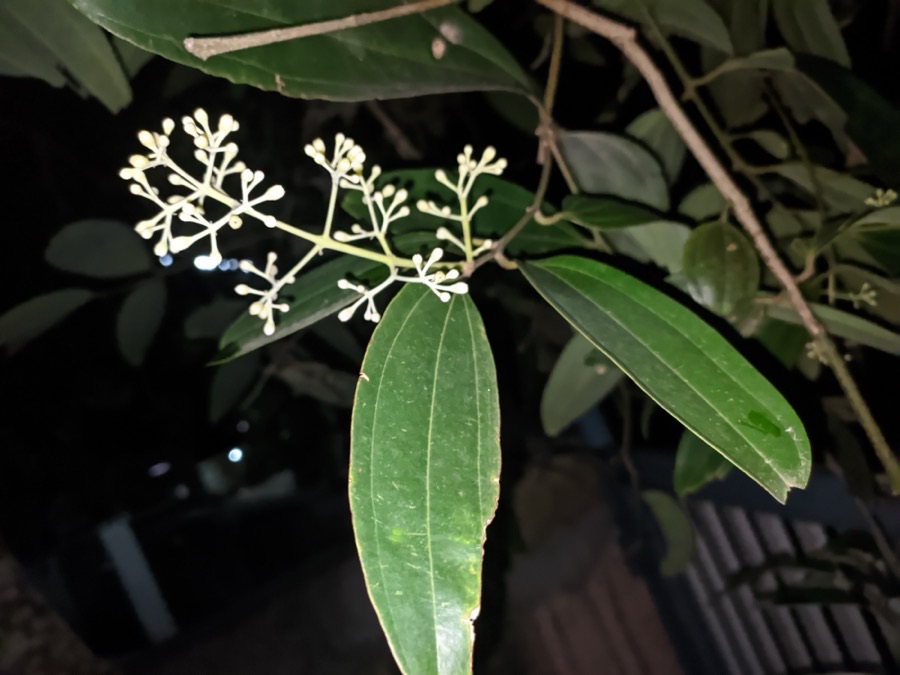
How do I know this leaf belongs to cinnamon and not to some other tree?
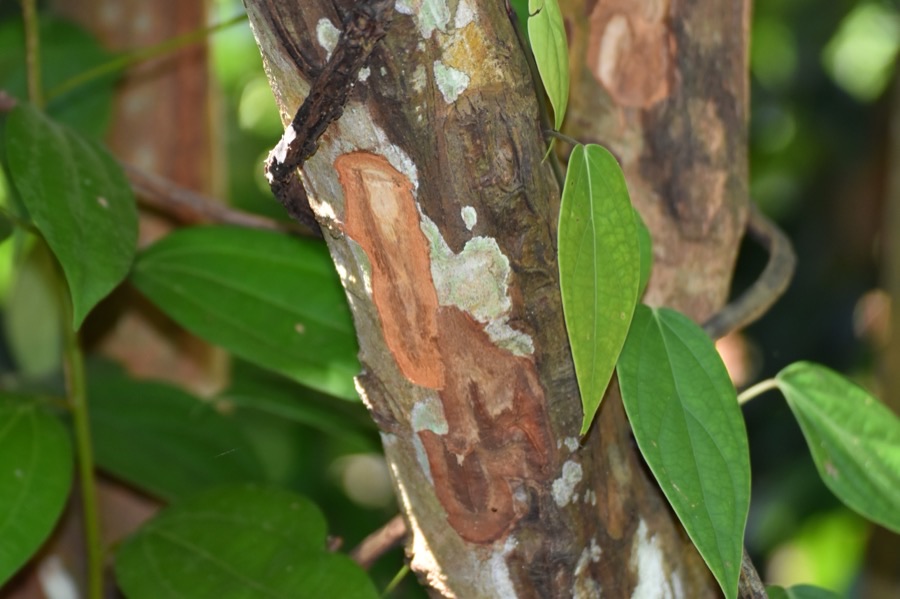
Somebody has taken strips of bark off this stem. What are they actually collecting?
This plant is also a dravya of Ayurveda. Twak in Dravyaguna: its botanical identity, rasa, virya and karma, the part used, the dose the texts give, and its safety record.