Twak
त्वक्
Cinnamomum verum J.Presl
Lauraceae · Cinnamomum
Benefits & side effects
TRADITIONAL VIEW, WITH SAFETY LIMITS
Hindi name: Dalchini
What the texts say Twak does
- Deepana — kindles digestion (appetiser)
- Pachana — digests ama (digestive)
- Mukhashodhana — cleans the mouth
- Kaphaghna — pacifies kapha
- Vatahara — pacifies vata
- Hridya — good for the heart
What the evidence says. Traditional use is extensive and long recorded. Modern clinical evidence is limited.
Side effects and limits
- Mouth or stomach irritation
- Burning sensation
- Contact reaction in the mouth from the oil
Avoid or ask first: Existing liver disease, in medicinal quantity.; Conditions aggravated by ushna and tikshna dravya.
A traditional classification, not a recommendation. The full safety record is below.
Stands in 5 groups
- Sheetaprashamana — Allaying cold
- Vedanasthapana — Arresting pain
- Eladi — Vata and Kapha, poison, and itching
- Chaturjata — The four aromatics
- Trijata — The three aromatics
A Samhita can only be read forwards, from the group to its members. This is the same list read backwards.
Photographs
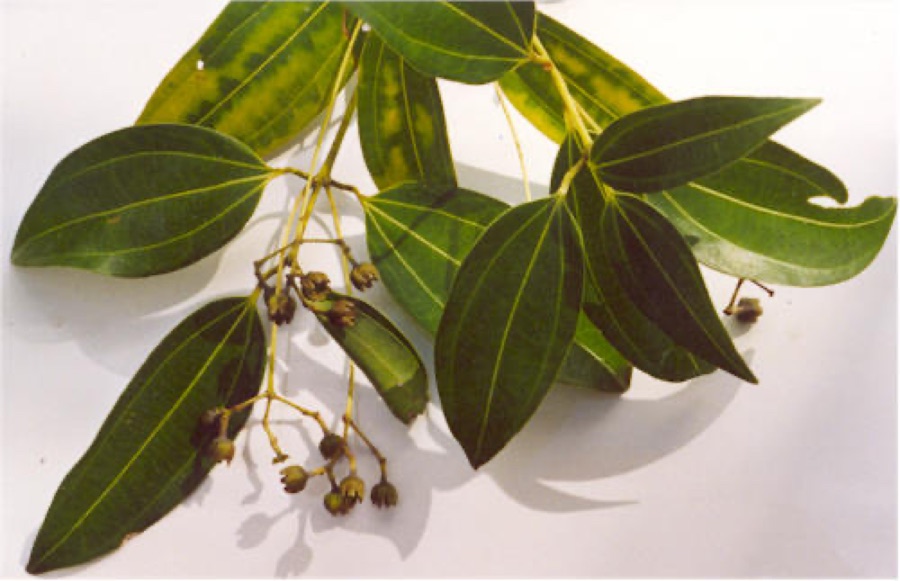
Photo: Unknown · Public domain · Wikimedia Commons

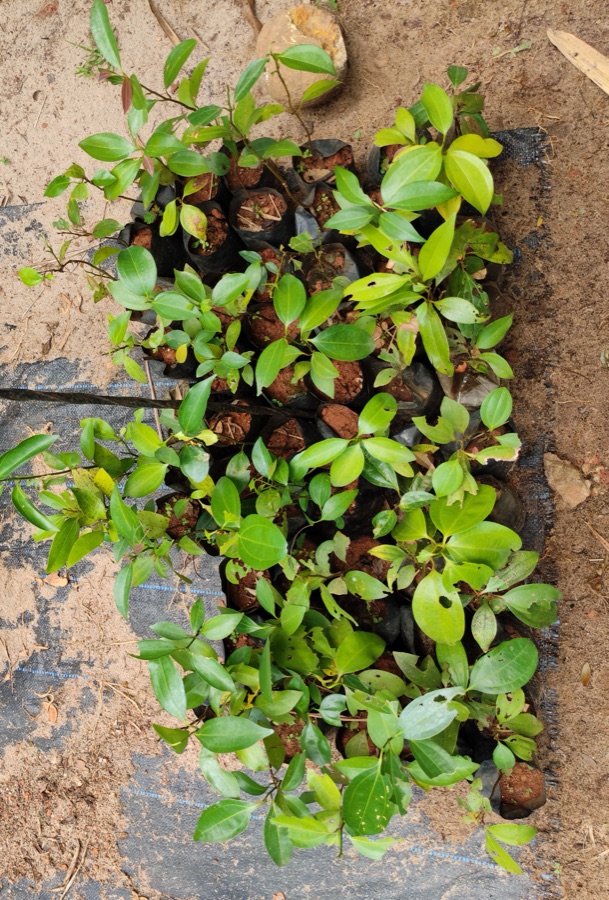
Photo: Vis M · CC BY-SA 4.0 · Wikimedia Commons

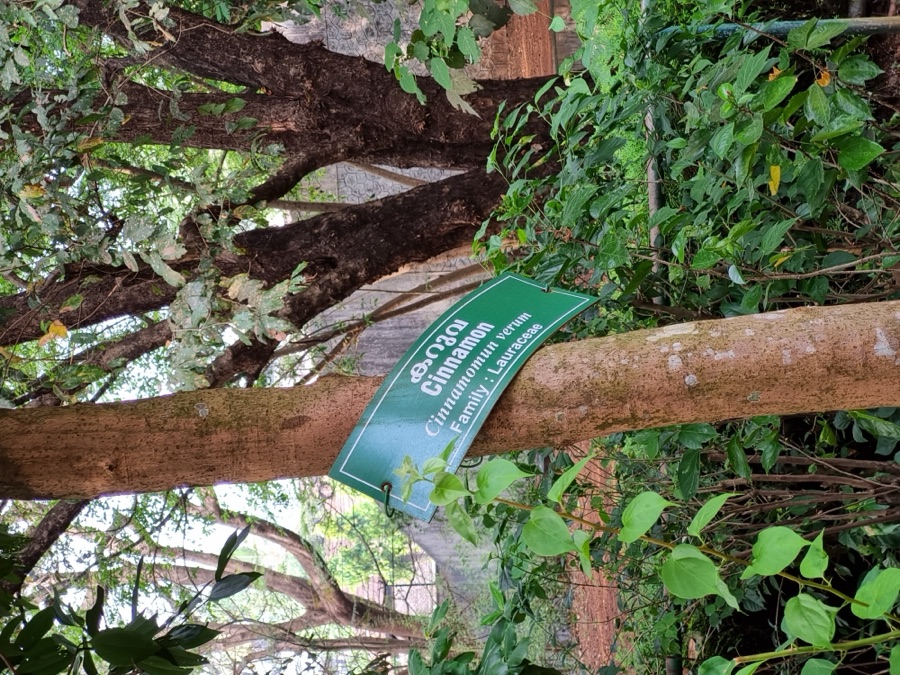
Photo: Ganesh Mohan T · CC BY-SA 4.0 · Wikimedia Commons

Matra and anupana
AS THE CLASSICAL TEXTS AND THE API PRESCRIBE
| Churna | 1–3 g |
| Anupana | Madhu · Ushnodaka |
| Kala | Adhobhakta |
Cinnamomum verum, true cinnamon. Cassia is a different bark and carries far more coumarin.
Reported from Sharangadhara Samhita and the Ayurvedic Pharmacopoeia of India. Laisha states what the texts prescribe; it does not recommend. No quantity here is adjusted for a particular person — not for agni, koshtha, bala, age, pregnancy, kidney or liver function, or anything already being taken.
Rasapanchaka
| Rasa | KatuTiktaMadhura |
| Guna | LaghuRukshaTikshna |
| Virya | Ushna |
| Vipaka | Katu |
| Prabhava | The texts treat twak as mukhashodhana, cleansing the mouth, and group it with the aromatics for that as much as for digestion. |
| Doshakarma | Kaphavatahara. Being ushna and tikshna it increases pitta. |
Katu, tikta and madhura with ushna virya and katu vipaka.
Karma and part used
These are the actions the classical texts record. They are statements about what the tradition holds, and this library does not restate them as findings about a human body.
| Upayukta anga | Twak (the inner bark) Patra (the leaf), as the separate dravya Tejpatra |
| Why it matters | The inner bark is twak. The leaf of the same tree is Tejpatra, a separate dravya and the fourth member of Chaturjata, so one tree supplies two of the four aromatics. |
Paryaya
Tanutwak means thin bark and is the identifying feature: true cinnamon peels in fine papery layers that roll into a fragile quill, while cassia is a single thick hard piece. The paryaya is a field test.
Names, by language
| English | Cinnamon |
| Sinhala | Kurundu |
| Nepali | Dalchini |
| Hindi | Dalchini |
| Kannada | Chakke |
| Tamil | Lavangapattai |
| Telugu | Dalchina chekka |
| Malayalam | Karuvapatta |
| Marathi | Dalchini |
| Gujarati | Taj |
| Bengali | Daruchini |
| Punjabi | Dalchini |
| Odia | Dalchini |
| Urdu | Darchini |
Classical references
Rasa, guna, virya, vipaka and karma are recorded as the classical texts give them, with the text and section named so a student can open the book and check. Where an exact chapter and verse could not be confirmed, this library names the section rather than inventing a number.
Formulations it appears in
| Chaturjata Churna | One of the four aromatics, with ela, twak, patra and nagakeshara. |
| Sitopaladi Churna | Among the dravya of the formulation. |
| Chyawanprash | Among the dravya of the formulation. |
| Eladi Churna | Among the dravya of the formulation. |
Adulterants and substitutes
Most cinnamon sold in the world is not this plant. Cassia — Cinnamomum cassia and related species — is cheaper, thicker, harder, and is what is usually meant by cinnamon in the trade outside Sri Lanka. It is not a harmless substitution: cassia carries far more coumarin, which is the subject of the warning below. The field test is the one the paryaya gives: true cinnamon is thin, papery and rolls in many layers; cassia is a single thick curl that snaps.
Identity
Matched live against the GBIF backbone on 28 September 2026 at 99 per cent confidence. Cinnamomum zeylanicum is a synonym of this species. The distinction from cassia, Cinnamomum cassia, is not academic and is the most consequential thing in this entry; it is set out in the safety section.
A WAY TO REMEMBER IT
Cinnamomum verum: verum means TRUE cinnamon, and the epithet exists precisely to separate it from cassia. If a bark is sold as cinnamon and is not Cinnamomum verum, the Latin has already told you.
What the tradition holds
Twak is named among the four aromatics of Chaturjata in the Bhavaprakasha Nighantu. That is what the tradition holds and where it is written down, not a finding about what the bark does in a body.
Constituents. The bark carries an essential oil rich in cinnamaldehyde. It also carries coumarin — in small amounts in true cinnamon and in much larger amounts in cassia, which is the whole of the problem described below.
What the evidence says
| Status | Traditional use is extensive and long recorded. Modern clinical evidence is limited. |
| Suggested | Health Canada publishes monographs covering Ayurvedic ingredients and permits specific traditional-use claims, which reflects a regulator accepting a documented tradition rather than a body of clinical trial evidence. |
| Not established | There is not enough good clinical evidence to establish an effect on any named health condition. Long traditional use is not a substitute for that evidence, and this library does not present it as one. |
| The honest gap | A great deal of published work on cinnamon used cassia without saying so, which makes the literature difficult to read across. |
Safety
The important thing here is not the spice but which spice. Cassia, sold almost everywhere as cinnamon, carries coumarin at levels that led the European Food Safety Authority to set a tolerable daily intake, because coumarin is associated with liver injury. True cinnamon, this plant, carries very little. Someone taking cinnamon daily in quantity for a health purpose, using cassia without knowing it, can exceed that intake. Anyone with liver disease, on medication, pregnant, or managing a diagnosed condition should speak to a doctor or a qualified practitioner first.
| Side effects | Mouth or stomach irritation Burning sensation Contact reaction in the mouth from the oil |
| Contraindications | Existing liver disease, in medicinal quantity. Conditions aggravated by ushna and tikshna dravya. |
| Interactions | Warfarin — cassia cinnamon contains coumarin; TRUE cinnamon (Cinnamomum verum) contains very little, which is one practical reason the species matters. Antidiabetic medicines — a modest glucose-lowering effect is reported. Coumarin hepatotoxicity is a cassia problem, not a Cinnamomum verum problem. |
| Pregnancy and breastfeeding | Ordinary culinary use is long established. Medicinal quantities in pregnancy or breastfeeding should be discussed with a qualified practitioner first. |
Growing it
| Climate | Wet tropical, native to Sri Lanka and the Malabar coast. |
| Soil | Sandy, well-drained ground. |
| Planting | A tree, coppiced low so it throws up slender shoots whose bark is peeled. |
| Harvest | Shoots are cut, the outer bark scraped away, and the inner bark peeled and left to curl into quills as it dries. |
| What is not stated | This library has not verified region-specific spacing, variety and yield figures against a named agricultural authority for every growing country, and does not state them rather than guessing. |
Grown as a crop: how to grow cinnamon, from sowing to harvest, in Laisha's grow guides.
Check this page
Print it and the code still works. It goes to this page and nowhere else.
What this is not
- This is a study and clinical reference for practitioners and students. The matra and anupana it records are what the classical texts and the Ayurvedic Pharmacopoeia of India PRESCRIBE — Laisha reports them, it does not recommend them. They are not a prescription for any particular person, and they are not adjusted for your age, agni, koshtha, bala, pregnancy, kidney or liver function, or anything else you are already taking. Only a qualified practitioner who has examined you can do that.
- Traditional classification is recorded as what the classical texts say, with the text and the place in it named so it can be checked. It is not restated as a finding about a human body.
- Nothing here replaces a qualified Ayurvedic practitioner or a doctor.
Sources
https://api.gbif.org/v1/species/match?name=Cinnamomum%20verum%20J.Presl
https://pcimh.gov.in/
https://www.canada.ca/en/health-canada/services/drugs-health-products/natural-non-prescription/applications-submissions/product-licensing/compendium-monographs.html
https://niimh.nic.in/ebooks/esharangadhara/