Hingu
हिङ्गु
Ferula assa-foetida L.
Apiaceae · Ferula
Benefits & side effects
TRADITIONAL VIEW, WITH SAFETY LIMITS
What the texts say Hingu does
- Deepana — kindles digestion (appetiser)
- Pachana — digests ama (digestive)
- Vatanulomana — moves vata downward, relieves wind
- Shoolaprashamana — relieves colicky pain
- Krimighna — anthelmintic (against worms)
- Hridya — good for the heart
What the evidence says. Traditional use is extensive and long recorded. Modern clinical evidence is limited.
Side effects and limits
- Digestive upset and wind
- Burning sensation
- Headache
- Skin rash in some people
Avoid or ask first: Infants.; Pregnancy, in medicinal quantity.; Wheat allergy or coeliac disease, unless the carrier is confirmed.
A traditional classification, not a recommendation. The full safety record is below.
Stands in 8 groups
- Deepaniya — Kindling agni
- Hikkanigrahana — Arresting hiccough
- Shwasahara — Relieving breathlessness
- Shulaprashamana — Allaying colic
- Sanjnasthapana — Restoring consciousness
- Hridayaputi — Cleansing the heart-passage
- Pippalyadi — Agni, Kapha, and the digestive disorders
- Ushakadi — Prameha, gravel, piles, and the hard swelling
A Samhita can only be read forwards, from the group to its members. This is the same list read backwards.
Photographs
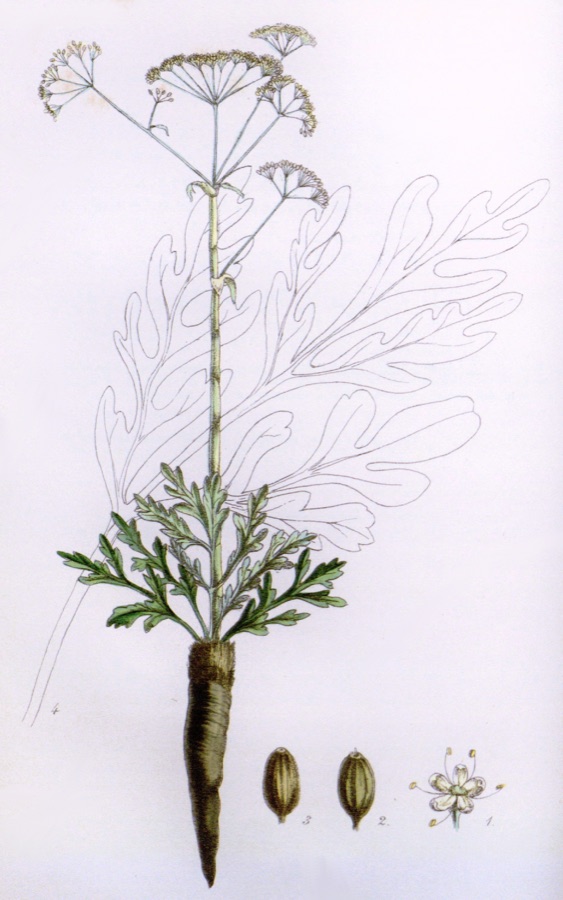
Photo: Hamilton, Edward · CC0 · Wikimedia Commons

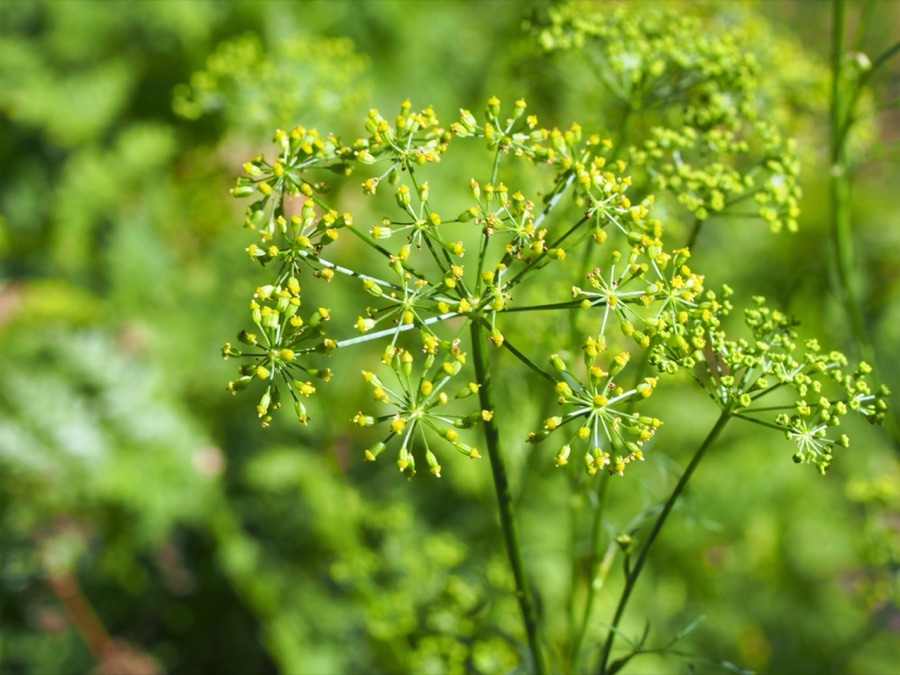
Photo: Agnieszka Kwiecień, Nova · CC BY-SA 4.0 · Wikimedia Commons

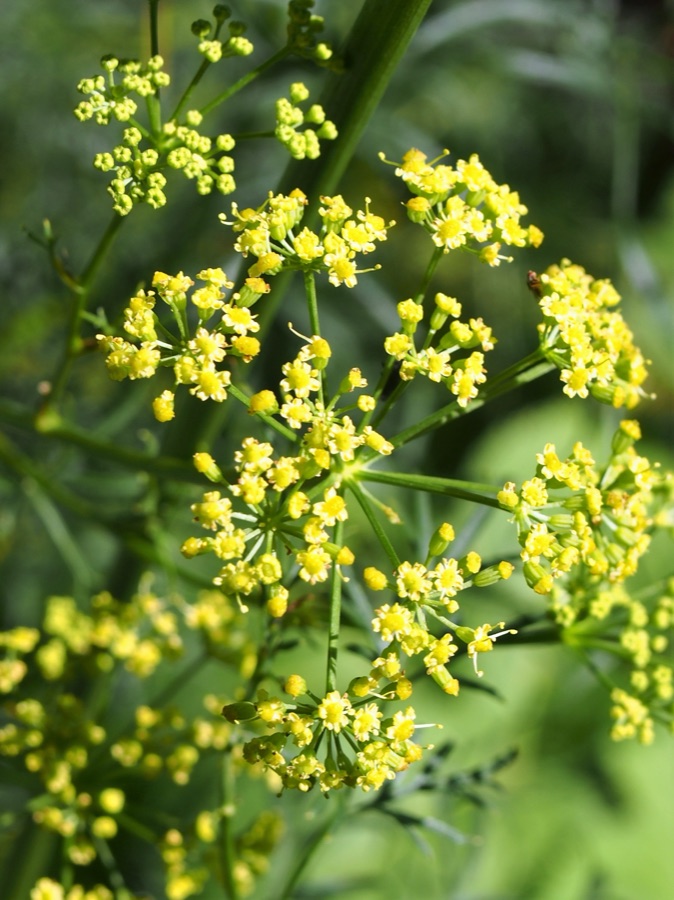
Photo: Agnieszka Kwiecień, Nova · CC BY-SA 4.0 · Wikimedia Commons

Matra and anupana
AS THE CLASSICAL TEXTS AND THE API PRESCRIBE
| Shodhita churna | 125–500 mg |
| Anupana | Ushnodaka · Takra · Ghrita |
| Kala | Adhobhakta |
Fried in ghrita before use — that IS the shodhana. Raw hingu is harsh.
Reported from Sharangadhara Samhita and the Ayurvedic Pharmacopoeia of India. Laisha states what the texts prescribe; it does not recommend. No quantity here is adjusted for a particular person — not for agni, koshtha, bala, age, pregnancy, kidney or liver function, or anything already being taken.
Rasapanchaka
| Rasa | Katu |
| Guna | LaghuSnigdhaTikshna |
| Virya | Ushna |
| Vipaka | Katu |
| Prabhava | The texts treat hingu as the chief dravya for vatanulomana — moving vata downward — and it is named for colic and for wind more than any other single article. |
| Doshakarma | Kaphavatahara. Being ushna and tikshna it increases pitta. |
A single rasa, katu, with ushna virya and katu vipaka.
Karma and part used
These are the actions the classical texts record. They are statements about what the tradition holds, and this library does not restate them as findings about a human body.
| Upayukta anga | Niryasa (the oleo-gum-resin) |
| Why it matters | The dravya is the resin that exudes from the cut root and rootstock. Pure resin is rarely sold; what reaches a kitchen is compounded with a carrier, which the adulterants note explains. |
Paryaya
Sahasravedhi, piercing a thousand things, describes how the smell penetrates everything near it. Bahlika records that it came from Balkh, in what is now Afghanistan — the name is a trade route written into a word.
Names, by language
| English | Asafoetida |
| Sinhala | Perunkayam |
| Nepali | Hing |
| Hindi | Hing |
| Kannada | Ingu |
| Tamil | Perungayam |
| Telugu | Inguva |
| Malayalam | Kayam |
| Marathi | Hing |
| Gujarati | Hing |
| Bengali | Hing |
| Punjabi | Hing |
| Odia | Hengu |
| Urdu | Hing |
Classical references
Rasa, guna, virya, vipaka and karma are recorded as the classical texts give them, with the text and section named so a student can open the book and check. Where an exact chapter and verse could not be confirmed, this library names the section rather than inventing a number.
Formulations it appears in
| Hingvashtaka Churna | Hingu is the dravya the formulation is named for, with eight ingredients. |
| Hingu Triguna Taila | Named for the dravya. |
| Shankha Vati | Among the dravya of the formulation. |
Adulterants and substitutes
Almost nothing sold as hing in India is pure resin. Compounded hing — resin blended with wheat flour or gum arabic — is the normal commercial article and is sold honestly as such, which matters for anyone avoiding wheat, because the carrier is usually wheat flour and the label does not always say so. Beyond that, resin of other Ferula species is substituted, and the strength of what reaches a kitchen varies by an order of magnitude.
Identity
Matched live against the GBIF backbone on 28 September 2026 at 99 per cent confidence. Like guggulu, the dravya is not the plant but what bleeds from it. Almost none of it is produced in India — it comes from Iran and Afghanistan — despite being one of the most characteristic ingredients of Indian cooking.
A WAY TO REMEMBER IT
Ferula is the Latin giant fennel, whose hollow stalk was used as a rod. Assa-foetida is Persian aza (resin) + Latin foetida (stinking). The name says: a stinking resin from a fennel-like giant.
What the tradition holds
Hingu is described in the Bhavaprakasha Nighantu and is named throughout the classical literature for wind and colic. That is what the tradition holds and where it is written down, not a finding about what the resin does in a body.
Constituents. The resin carries sulphur compounds, chiefly disulphides, which give it its smell, along with ferulic acid esters and coumarins.
What the evidence says
| Status | Traditional use is extensive and long recorded. Modern clinical evidence is limited. |
| Suggested | Health Canada publishes monographs covering Ayurvedic ingredients and permits specific traditional-use claims, which reflects a regulator accepting a documented tradition rather than a body of clinical trial evidence. |
| Not established | There is not enough good clinical evidence to establish an effect on any named health condition. Long traditional use is not a substitute for that evidence, and this library does not present it as one. |
| The honest gap | Published work uses material of very variable resin content, and compounded hing is mostly carrier by weight. |
Safety
Eaten daily in tiny quantities across India with no serious harm documented at culinary use. Two practical cautions matter. Compounded hing usually contains wheat flour, which anyone with coeliac disease or a wheat allergy needs to know. And asafoetida has been reported to cause methaemoglobinaemia in infants, which is why it is not given to babies — a traditional practice of applying it to an infant's abdomen for colic is specifically not recommended here. Anyone on medication, pregnant, or managing a diagnosed condition should speak to a doctor or a qualified practitioner first.
| Side effects | Digestive upset and wind Burning sensation Headache Skin rash in some people |
| Contraindications | Infants. Pregnancy, in medicinal quantity. Wheat allergy or coeliac disease, unless the carrier is confirmed. |
| Interactions | Warfarin and antiplatelets — coumarin-type constituents and reported antiplatelet activity. Antihypertensives — additive lowering reported. |
| Pregnancy and breastfeeding | Not to be used in medicinal quantity in pregnancy. Ordinary culinary use is long established. It is traditionally given to increase milk after childbirth, which should still be discussed with a qualified practitioner. |
Growing it
| Climate | Cold arid highland; Iran and Afghanistan, not India. |
| Soil | Dry, stony, well-drained ground. |
| Planting | A large perennial umbellifer, grown from seed, taking four or five years before it can be tapped. |
| Harvest | The stem is cut near the crown of the root and the milky exudate is collected as it hardens, over repeated cuttings. |
| What is not stated | India imports almost all of its hing. Cultivation trials in Himachal Pradesh began recently and do not yet supply the market, so provenance is hard to establish for most of what is sold. |
Check this page
Print it and the code still works. It goes to this page and nowhere else.
What this is not
- This is a study and clinical reference for practitioners and students. The matra and anupana it records are what the classical texts and the Ayurvedic Pharmacopoeia of India PRESCRIBE — Laisha reports them, it does not recommend them. They are not a prescription for any particular person, and they are not adjusted for your age, agni, koshtha, bala, pregnancy, kidney or liver function, or anything else you are already taking. Only a qualified practitioner who has examined you can do that.
- Traditional classification is recorded as what the classical texts say, with the text and the place in it named so it can be checked. It is not restated as a finding about a human body.
- Nothing here replaces a qualified Ayurvedic practitioner or a doctor.
Sources
https://api.gbif.org/v1/species/match?name=Ferula%20assa-foetida
https://pcimh.gov.in/
https://www.canada.ca/en/health-canada/services/drugs-health-products/natural-non-prescription/applications-submissions/product-licensing/compendium-monographs.html
https://niimh.nic.in/ebooks/esharangadhara/