Kushtha
कुष्ठ
Saussurea costus (Falc.) Lipsch.
Asteraceae · Saussurea
Benefits & side effects
TRADITIONAL VIEW, WITH SAFETY LIMITS
Hindi name: Kuth
What the texts say Kushtha does
- Kushthaghna — used in skin disease
- Shwasahara — relieves breathlessness
- Kasahara — relieves cough
- Vatahara — pacifies vata
- Krimighna — anthelmintic (against worms)
- Vishaghna — antidote (against poison)
What the evidence says. Traditional use is extensive and long recorded. Modern clinical evidence is limited.
Side effects and limits
- Contact allergy and skin rash
- Digestive upset
Avoid or ask first: Known allergy to plants of the Asteraceae family.; Pregnancy.
A traditional classification, not a recommendation. The full safety record is below.
Stands in 13 groups
- Lekhaniya — Scraping and reducing
- Mutravirajaniya — Correcting the colour of urine (named there as Utpala)
- Mutravirechaniya — Promoting urine
- Dahaprashamana — Allaying burning (named there as Utpala)
- Sheetaprashamana — Allaying cold
- Udardaprashamana — Allaying urticaria
- Angamardaprashamana — Allaying body ache
- Shonitasthapana — Arresting bleeding (named there as Utpala)
- Shukrashodhana — Purifying semen
- Asthapanopaga — Adjuvant to niruha basti
- Eladi — Vata and Kapha, poison, and itching
- Utpaladi — Pitta, bleeding, thirst and poison (named there as Utpala)
- Mustadi — Cleansing breast milk, Kapha, and the vagina
A Samhita can only be read forwards, from the group to its members. This is the same list read backwards.
Photographs
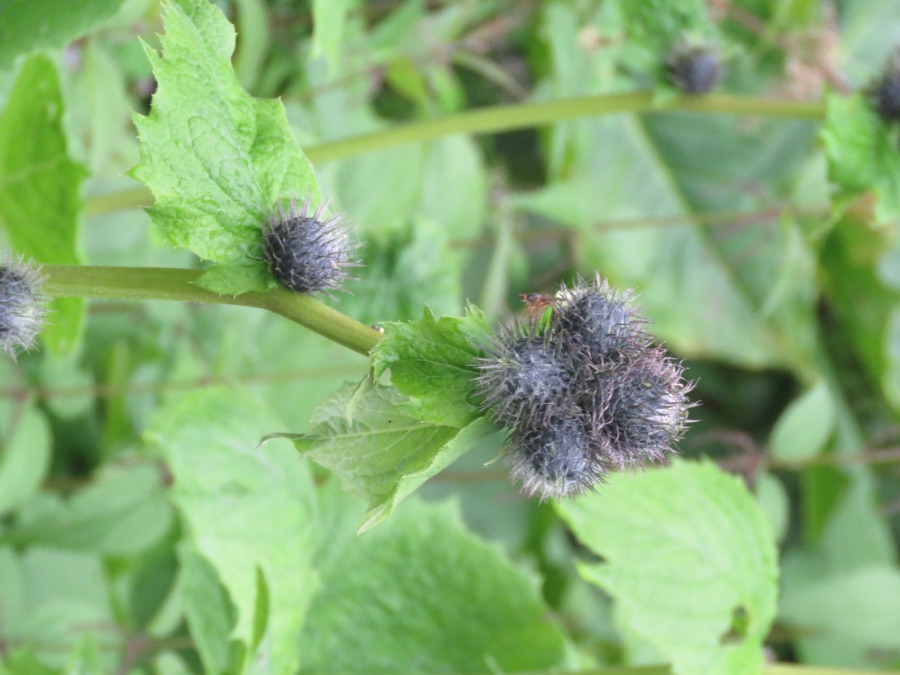
Photo: Vinayaraj · CC BY-SA 4.0 · Wikimedia Commons

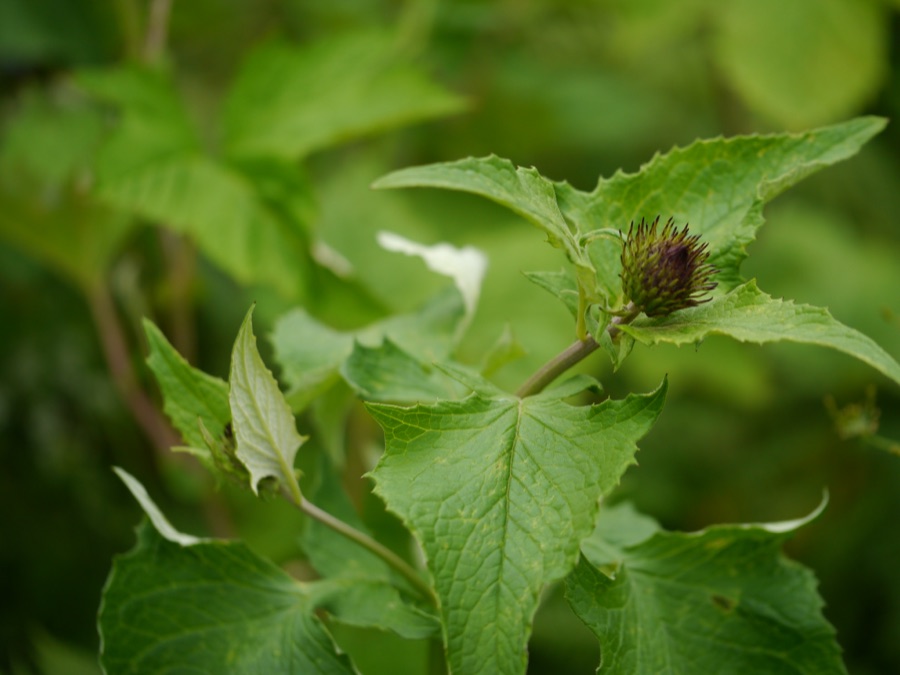
Photo: Dinesh Valke from Thane, India · CC BY-SA 2.0 · Wikimedia Commons

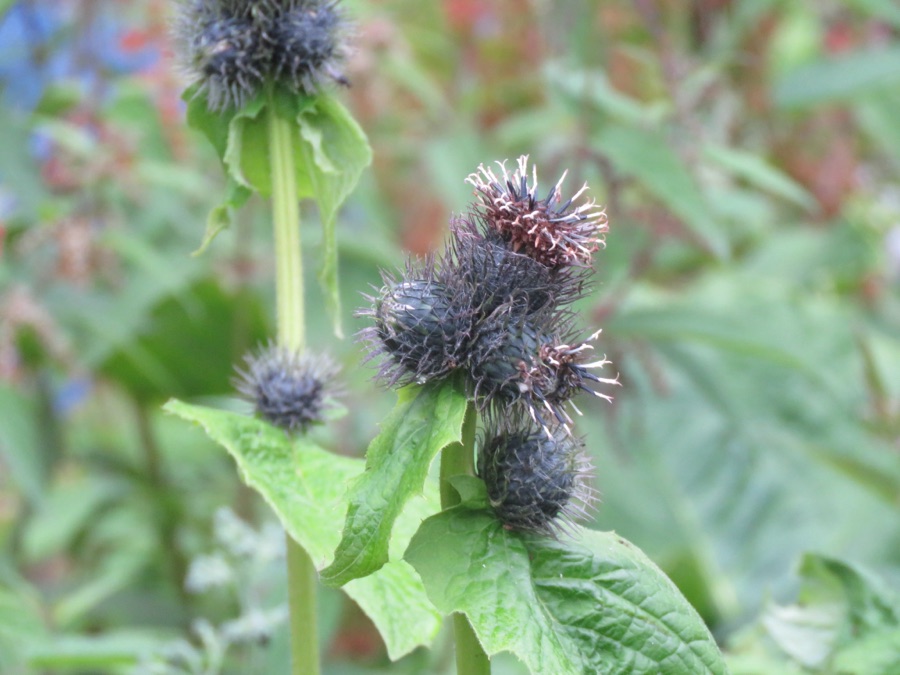
Photo: Vinayaraj · CC BY-SA 4.0 · Wikimedia Commons

Matra and anupana
AS THE CLASSICAL TEXTS AND THE API PRESCRIBE
| Churna | 1–3 g |
| Kwatha | 20–40 ml |
| Anupana | Madhu · Ushnodaka |
| Kala | Adhobhakta |
CITES Appendix I — Saussurea costus is among the most restricted medicinal plants in the world. Legality of the source is part of prescribing it.
Reported from Sharangadhara Samhita and the Ayurvedic Pharmacopoeia of India. Laisha states what the texts prescribe; it does not recommend. No quantity here is adjusted for a particular person — not for agni, koshtha, bala, age, pregnancy, kidney or liver function, or anything already being taken.
Rasapanchaka
| Rasa | TiktaKatuMadhura |
| Guna | LaghuRukshaTikshna |
| Virya | Ushna |
| Vipaka | Katu |
| Prabhava | The texts treat kushtha as acting on the skin and on the breath, and it is named in the Kushthaghna group for which it shares a name. |
| Doshakarma | Kaphavatahara. Being ushna it increases pitta. |
Tikta, katu and madhura with ushna virya and katu vipaka.
Karma and part used
These are the actions the classical texts record. They are statements about what the tradition holds, and this library does not restate them as findings about a human body.
| Upayukta anga | Mula (the root) |
| Why it matters | The root is the dravya, aromatic and bitter. |
Paryaya
The name Kushtha is the same word as the disease category kushtha, skin disease, which is the use the texts most associate it with — the dravya and the condition share a name.
Names, by language
| English | Costus |
| Sinhala | Kotta |
| Nepali | Kuth |
| Hindi | Kuth |
| Kannada | Changalakoshtu |
| Tamil | Kostam |
| Telugu | Changalvakostu |
| Malayalam | Kottam |
| Marathi | Kot |
| Gujarati | Kath |
| Bengali | Kur |
| Punjabi | Kuth |
| Odia | Kustha |
| Urdu | Qust |
Classical references
Rasa, guna, virya, vipaka and karma are recorded as the classical texts give them, with the text and section named so a student can open the book and check. Where an exact chapter and verse could not be confirmed, this library names the section rather than inventing a number.
Formulations it appears in
| Kushthadi Taila | Named for the dravya. |
| Rasnadi Churna | Among the dravya of the formulation. |
| Saraswata Churna | Among the dravya of the formulation. |
Adulterants and substitutes
Because wild trade is barred, substitution is the norm rather than the exception. Inula racemosa, Pushkaramoola, is the commonest substitute and is itself a legitimate dravya with different properties. Other Saussurea species and unrelated aromatic roots are also sold as kuth. A buyer offered wild kushtha cheaply is being offered something that is either not kushtha or should not be for sale.
Identity
Matched live against the GBIF backbone on 28 September 2026 at 99 per cent confidence. Saussurea lappa is a synonym and is the name most Ayurvedic literature uses. This is the most strictly protected plant in the library: it is on CITES Appendix I, the highest level, which effectively bans commercial international trade in wild material.
A WAY TO REMEMBER IT
Saussurea honours Horace-Bénédict de Saussure. Costus is the ancient Greek and Latin name for this very root, traded from Kashmir to Rome. Kushtha is one of the oldest named drugs in the world.
What the tradition holds
Kushtha is named in the Charaka Samhita and described in the Bhavaprakasha Nighantu, and shares its name with the disease category it is used in. That is what the tradition holds and where it is written down, not a finding about what the root does in a body.
Constituents. The root carries sesquiterpene lactones, principally costunolide and dehydrocostus lactone, along with an essential oil.
What the evidence says
| Status | Traditional use is extensive and long recorded. Modern clinical evidence is limited. |
| Suggested | Health Canada publishes monographs covering Ayurvedic ingredients and permits specific traditional-use claims, which reflects a regulator accepting a documented tradition rather than a body of clinical trial evidence. |
| Not established | There is not enough good clinical evidence to establish an effect on any named health condition. Long traditional use is not a substitute for that evidence, and this library does not present it as one. |
| The honest gap | Published work often does not confirm the species, which given CITES restriction and routine substitution is a serious limit. |
Safety
Two things, and the first is legal as much as ecological. Saussurea costus is on CITES Appendix I, the strictest category, which bars commercial international trade in wild-collected material; cultivated material traded lawfully requires documentation. Buying it casually is not a neutral act. On the body: the sesquiterpene lactones in it are a well-known cause of contact allergy, and costus root oil is a recognised skin sensitiser restricted in cosmetics for that reason. Anyone on medication, pregnant, or managing a diagnosed condition should speak to a doctor or a qualified practitioner first.
| Side effects | Contact allergy and skin rash Digestive upset |
| Contraindications | Known allergy to plants of the Asteraceae family. Pregnancy. |
| Interactions | No specific interaction is documented here. Anyone on regular medication should still tell their doctor what they are taking. |
| Pregnancy and breastfeeding | Not to be used in pregnancy or breastfeeding. |
Growing it
| Climate | Alpine Himalaya, roughly 2500 to 4000 metres. |
| Soil | Deep, moist, well-drained alpine ground. |
| Planting | Grown from seed. Cultivation is established in Himachal Pradesh and is the only lawful commercial source. |
| Harvest | Roots lifted after two to three years, washed and dried. |
| What is not stated | On CITES Appendix I and critically endangered in parts of its range. Only cultivated, documented material should be used, and this library records that as fact rather than as advice about anyone's health. |
Check this page
Print it and the code still works. It goes to this page and nowhere else.
What this is not
- This is a study and clinical reference for practitioners and students. The matra and anupana it records are what the classical texts and the Ayurvedic Pharmacopoeia of India PRESCRIBE — Laisha reports them, it does not recommend them. They are not a prescription for any particular person, and they are not adjusted for your age, agni, koshtha, bala, pregnancy, kidney or liver function, or anything else you are already taking. Only a qualified practitioner who has examined you can do that.
- Traditional classification is recorded as what the classical texts say, with the text and the place in it named so it can be checked. It is not restated as a finding about a human body.
- Nothing here replaces a qualified Ayurvedic practitioner or a doctor.
Sources
https://api.gbif.org/v1/species/match?name=Saussurea%20costus
https://pcimh.gov.in/
https://www.canada.ca/en/health-canada/services/drugs-health-products/natural-non-prescription/applications-submissions/product-licensing/compendium-monographs.html
https://niimh.nic.in/ebooks/esharangadhara/