 Laisha
AI Operating System for Agriculture
Enter Laisha
Laisha
AI Operating System for Agriculture
Enter Laisha
Laisha
AI Operating System for Agriculture
Enter Laisha
Laisha
AI Operating System for Agriculture
Enter Laisha
Zingiber officinale · Also called: Adrak, Sonth, Ardraka, Inji
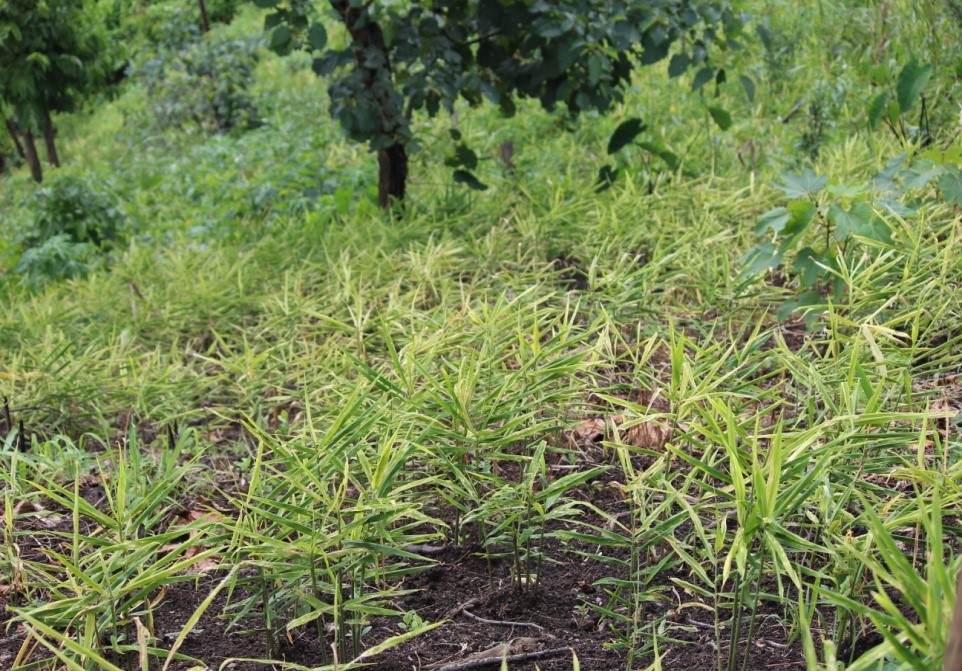
Photo: Ronson19, CC BY-SA 4.0 (Wikimedia Commons)
Ginger is the crop where the single biggest decision is one most growers get backwards: it does better in shade than in open field. ICAR trials found ginger grown under a tree canopy yielded 48.4 tonnes per hectare with 22.2 percent rhizome rot, against 35.2 tonnes and 40.3 percent rot in open field. That is more crop and half the disease, from a decision made before anything is planted. Ginger is also one of the few high-value crops that genuinely grows in a bag, which is why it is planted by households with no land at all.
Ginger is grown across the tropics and subtropics and traded worldwide both fresh and dried. The world production figure this guide previously said it did not hold is recorded below — along with the fact that makes it interesting: the country that grows the most exports almost none of it.
A rhizome crop grown from pieces of last season's rhizome, in the ground for about eight and a half to nine months.
Ginger is a heavy feeder over a long season, and most of what it needs should already be in the ground before planting.
If you see: Lower leaves yellowing and moving up the shoot, a base that is soft and watery, shoots that lift away from the rhizome with almost no resistance, and a foul smell from the rotting rhizome.
It likely means: Soft rot, caused by Pythium species in waterlogged ground. It is the most destructive disease of this crop.
Do this: Improve drainage immediately and clear every channel, because water moves this down the row faster than anything else.
If you see: Sudden wilting of whole shoots that does not recover overnight, with the plant otherwise green at first, and a milky ooze from a cut stem held in clean water.
It likely means: Bacterial wilt, the other major soil-borne disease of ginger, carried in soil and in planting material.
Do this: Get a local diagnosis before acting, since early soft rot and bacterial wilt are easy to confuse in the field.
If you see: Water standing in the beds after rain, or soil that stays glossy and saturated for a day or more.
It likely means: Drainage has failed. This is the condition that starts soft rot rather than a disease in itself.
Do this: Clear the drainage channels the same day, not the next week.
If you see: Long gaps in the rows weeks after planting, with many pieces never coming up at all.
It likely means: Seed pieces that were too small, had no viable bud, had already begun to rot, or were planted too deep.
Do this: Plant shallow, about 3 to 4 centimetres, with the bud facing up.
If you see: Plants that grew well all season but lift as small, thin rhizomes with little weight to them.
It likely means: Spacing too tight for the fertility available, weed competition through the long emergence window, or a crop lifted before it had finished.
Do this: Widen spacing towards the larger end of the 24-inch to 36-inch range if bulk matters more than plant count.
If you see: Cured ginger that softens, moulds or shrivels in store within weeks rather than keeping.
It likely means: It was lifted young, cured too little, bruised at harvest, or stored damp.
Do this: Cure only mature ginger — young ginger has not the skin or dry matter to keep, and must be sold fresh and fast.
If you see: Leaves bleached or browned at the edges and tips, worst on the most exposed side of the plot.
It likely means: Too much direct sun for this crop, which grows naturally under a canopy.
Do this: Provide partial shade where you can — intercropping or a light shade structure both work.
Site choice and spacing move yield more than almost anything else available to a ginger grower.
Growing the crop is only part of the job. The last part is knowing what a normal harvest looks like, and what your ginger is actually worth before you agree a price.
If you forget every other page of this guide, keep these lines. They are the whole crop, in order, short enough to carry in your head.
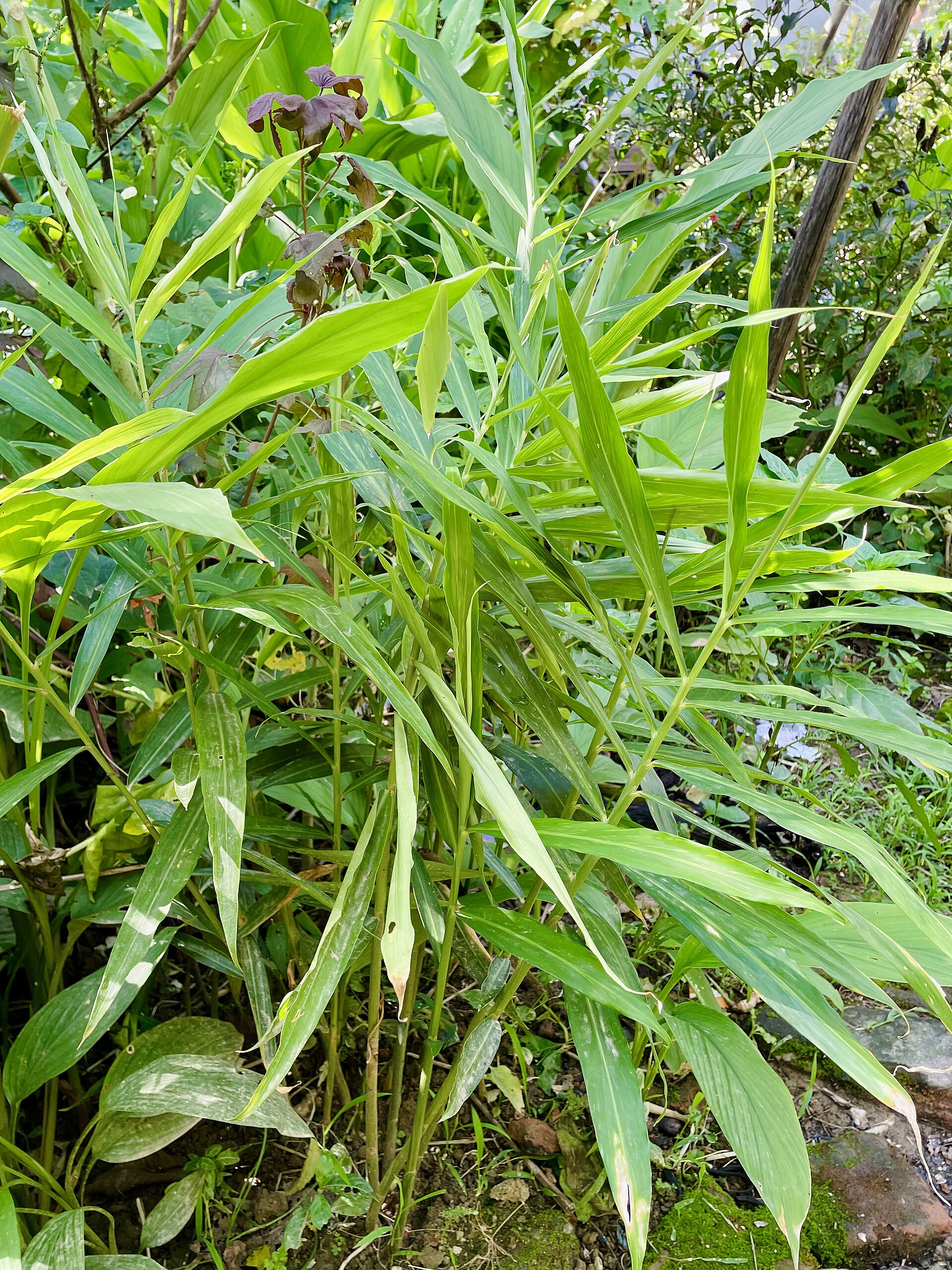
What crop is this, growing in upright leafy shoots from a clump?
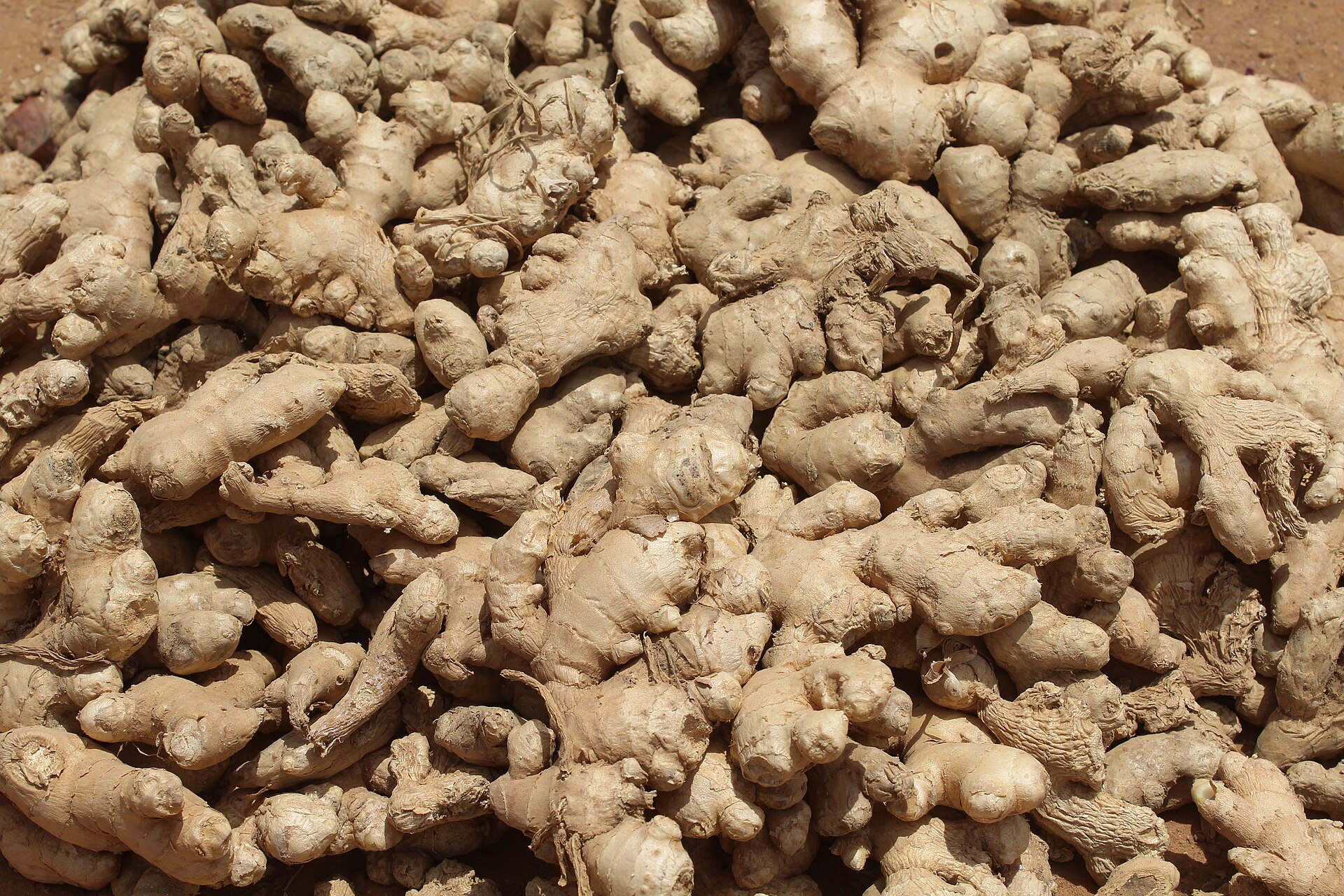
Is this piece fit to plant?
Shoots are yellowing from the base and the plant pulls away easily. What is it?