Photo: Saggittarius A, CC BY 4.0 (Wikimedia Commons)
Melon (bundled with several close relatives in the same FAOSTAT reporting category, "Cantaloupes and other melons", a real, honest data limitation this guide states plainly rather than hiding -- globalImportance) is a real top-ten crop, by Laisha's own curated research, in 6 of the world's 195 countries, spanning a genuinely varied real spread from a large, extensively farmed Central Asian country to three small island or desert states -- and, as with this library's own watermelon and cucumber guides, this crop is not the single biggest crop of all in any one of those 6 countries. A live-checked source records combined 2024 world production at approximately 28.2 million tonnes, with China alone growing approximately 13.2 million tonnes, about 47 percent of that total, followed at real distance by Kazakhstan, Turkey and Guatemala. This crop's own single most defining real trait, the honest reason it earns its own separate guide rather than folding into this library's own cucumber or watermelon guides, is its genuinely wide internal diversity: one accepted species covering the ribbed true cantaloupe, the strongly netted North American muskmelon most shoppers actually call cantaloupe, the smooth-skinned honeydew and casaba winter melon group, and several real regional Asian types, each judged and sold on genuinely different real traits (marketSegments). This crop also shares real, serious disease pressure with this library's own cucumber and watermelon guides -- Fusarium wilt, bacterial wilt and downy mildew all threaten melon much as they threaten those two crops, covered honestly in growthHabitAndMethod and troubleshooting rather than only mentioned in passing. As with every crop in this library, any agrochemical used on this crop must be handled exactly according to this guide's own chemicalSafetyRule below, bought only from a licensed dealer, and never guessed at from a name half-remembered from a neighbour.
Global Importance
Melon is grown across a genuinely wide belt of the world, but its own real 6-country top-ten-crop list looks nothing like the handful of huge-tonnage producers that dominate world output -- a real, honest gap this guide states plainly below rather than blurring the two pictures together.
Market Segments
One melon harvest genuinely feeds several real, materially different markets at once, and unlike this library's own cucumber guide, the single biggest real lever a grower controls here is which NAMED TYPE they plant in the first place -- true cantaloupe, North American muskmelon, honeydew, or a regional Asian type -- not only which buyer they aim the same fruit at.
Growth Habit
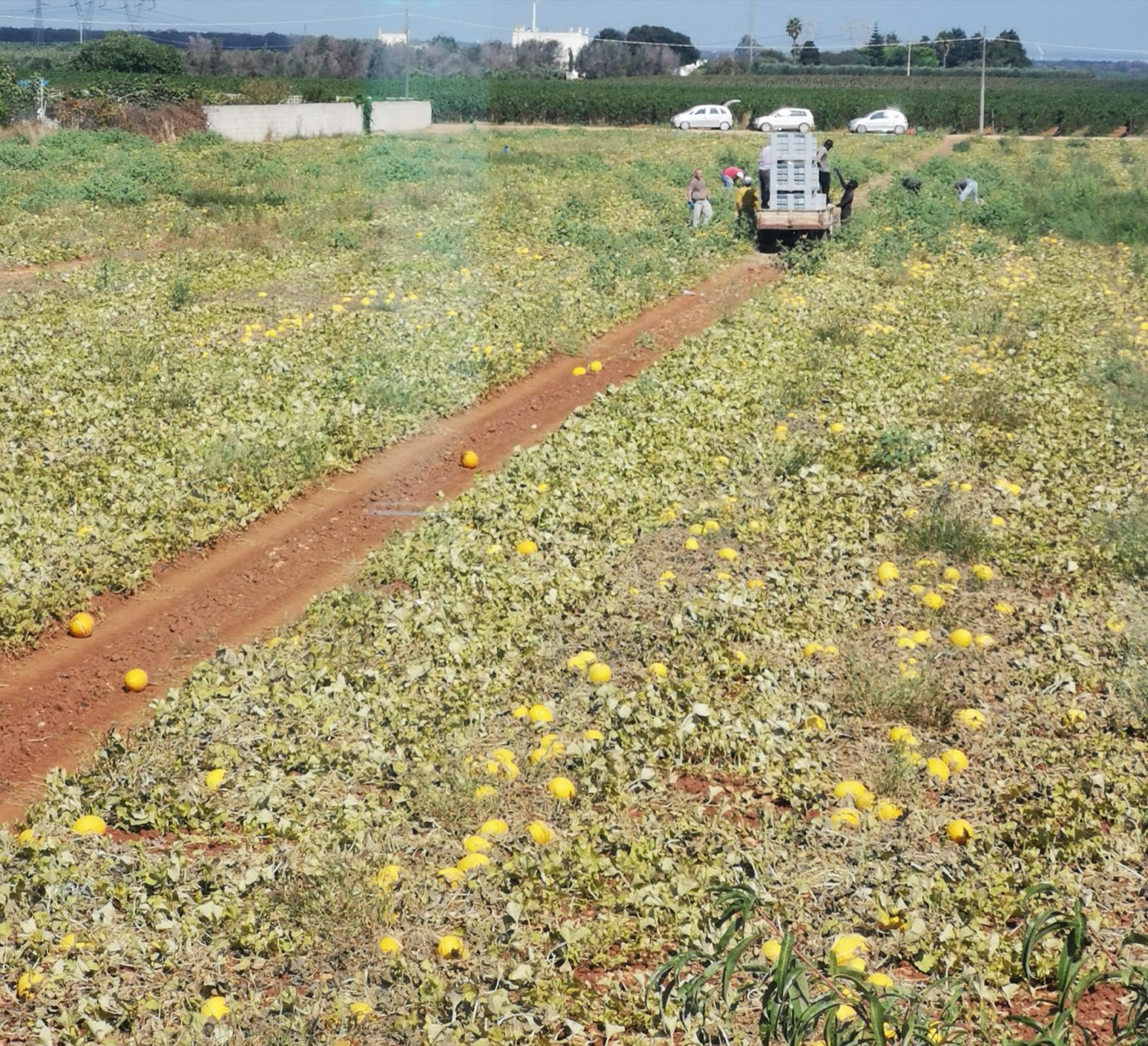
Three real, foundational facts decide almost everything a melon grower does: this crop is a genuinely trailing, warm-season vine much like this library's own watermelon and cucumber guides; its own real flower biology genuinely differs from both of those crops in a way worth stating plainly rather than assuming is identical; and Fusarium wilt, a real soil-borne disease with no cure, shapes rotation and rootstock choice here exactly as it does for watermelon.
Growing Melon (cantaloupe), Stage by Stage
1. Choose land, your real named type, and plan rotation — Decide before anything else which real named type this planting is for, and pick land free of recent cucurbit cropping.
2. Prepare the ground and lay out real spacing — Build up the planting area and lay out real spacing, adjusted for whether you are trellising or letting the vine sprawl.
3. Plant the seed or transplant — Sow or transplant once soil is genuinely warm, at your own chosen spacing from Stage 2.
4. Feed the crop — Base your programme on a real preplant application, then sidestep with nitrogen once, and again after bloom.
5. Water — Keep the root zone evenly moist through the season, and ease off right before harvest.
6. Weeds and training the vine — Control weeds hardest while the crop is young and small, and guide a sprawling or trellised vine so it stays clean and productive.
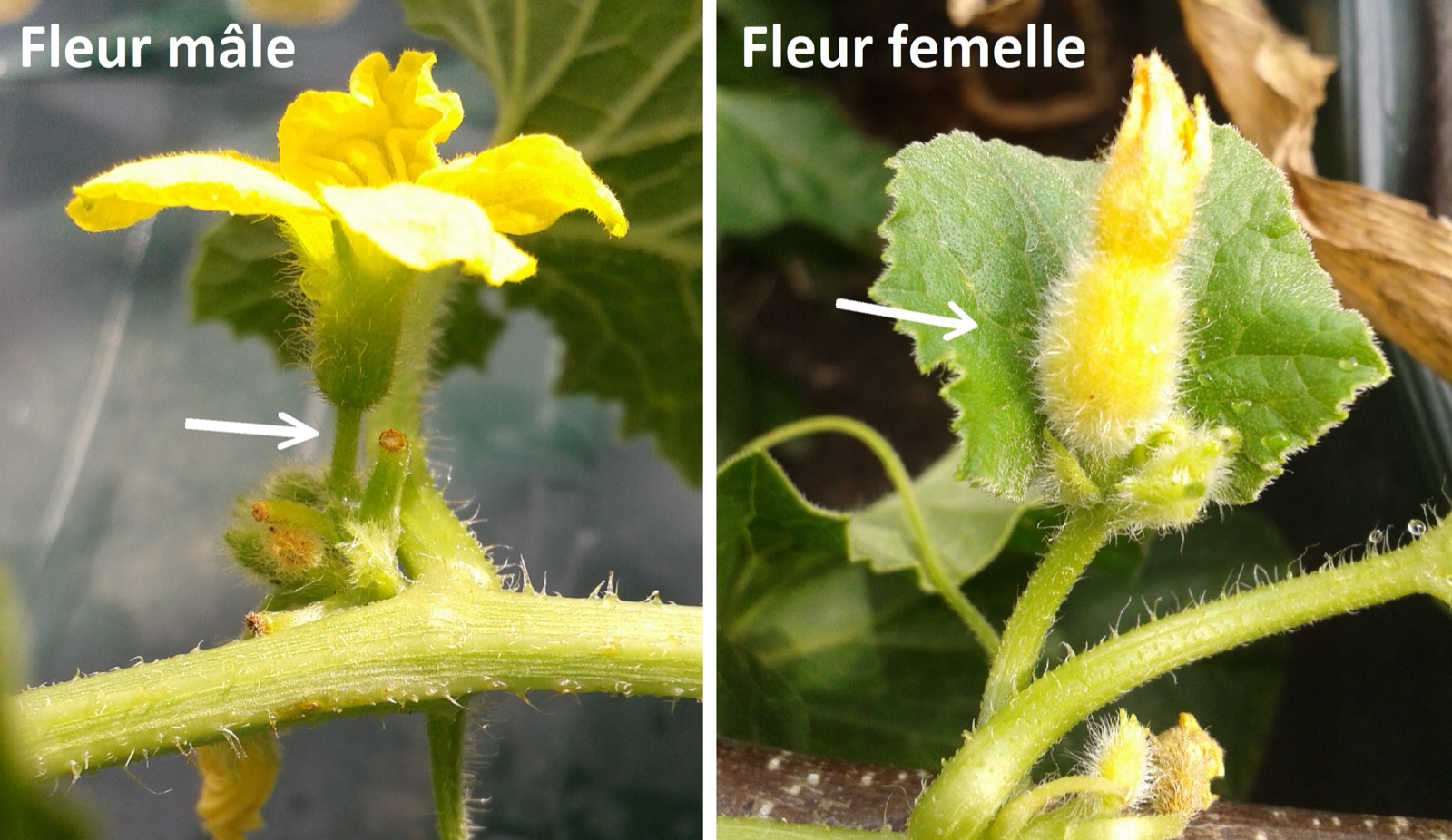
7. Flowering and pollination — Recognise this crop's own real flower pattern, and support the real insect pollinators every single fruit depends on.
8. Insect pests, stage by stage — The melon aphid and cucumber beetle matter more here for the diseases and viruses they spread than for their own direct feeding, and whitefly deserves real, separate respect.
9. Diseases -- Fusarium wilt, bacterial wilt, downy mildew and powdery mildew — Fusarium wilt is this crop's own single most serious soil-borne disease, and it shares real, serious foliar disease pressure with this library's own cucumber and watermelon guides.
10. Manage developing fruit — Cushion fruit off bare soil, and let each fruit build toward the real ripeness signs Stage 11 teaches.
11. Know when it is ripe -- slip for muskmelon, colour for honeydew — Judge readiness by the real signal your own named type actually gives, since this fruit does not improve in flavour once cut from the vine.
12. Harvest and handle carefully — Cut or twist fruit free cleanly, and handle every fruit gently from the vine to the packing table.
13. Grade, store and sell it — Because this fruit does not improve in flavour once picked, real storage is about slowing decay, not waiting for ripeness -- and knowing which real named type and market you are selling into shapes the whole process.
Fertiliser Programme
Melon is fed in real, staged amounts through a genuinely short season, starting from a balanced preplant application and split into two later sidedress doses, at real rates published for home-garden and small commercial scale rather than the drip-injected commercial programme this library's own cucumber and watermelon guides record.
Common Problems & Troubleshooting
If you see: Damping-off in young seedlings, or chlorosis, stunting and wilting that does not recover overnight in an older plant, sometimes with dark, necrotic streaks on the stem.
It likely means: Fusarium wilt, caused by Fusarium oxysporum f. sp. melonis, a real, host-specific soil fungus and this crop's own single most serious disease.
Do this: Confirm the diagnosis by checking for wilting that genuinely does not recover overnight, unlike ordinary heat stress.
If you see: Sudden wilting of a single leaf on one stem, spreading through the whole plant over following days, with no recovery overnight, roughly five days after cucumber beetle feeding nearby.
It likely means: Bacterial wilt, caused by the real bacterium Erwinia tracheiphila, carried and spread specifically by the cucumber beetle, the identical real disease this library's own cucumber guide describes.
Do this: Confirm the beetle connection: check nearby plants and recent history for real cucumber beetle activity.
If you see: Angular, yellowish leaf spots bounded by the leaf's own veins, with a grey-brown to purplish-black fuzzy growth on the underside in humid weather.
It likely means: Downy mildew, caused by the real water mould Pseudoperonospora cubensis, the identical real cucurbit disease this library's own cucumber guide describes.
Do this: Check the underside of suspect leaves specifically, since the fuzzy growth appears there first.
If you see: A white, powdery coating spreading across leaves, usually starting on older leaves lower in the canopy.
It likely means: Powdery mildew, a real, common fungal disease of cucurbit crops broadly, confirmed live this session by a real, credited photograph showing this exact symptom on melon leaves.
Do this: Improve airflow through wider spacing and avoiding overcrowding.
If you see: A mottled pattern of light and dark green on leaves, with stunted, distorted new growth and sometimes bumpy, discoloured fruit.
It likely means: A mosaic or yellowing virus spread by the melon aphid (Aphis gossypii) or whitefly (Bemisia tabaci), both confirmed live this session against GBIF's own backbone taxonomy.
Do this: Understand that no spray treats the virus itself once a plant is infected. Only the insect vector can be managed, and only before infection happens.
If you see: Small fruit that yellow, shrivel and drop from the vine rather than swelling, despite the plant otherwise looking healthy and flowering normally.
It likely means: Poor pollination, most commonly a genuine shortage of visiting insects or a missed flower window, on either a monoecious or an andromonoecious variety (growthHabitAndMethod).
Do this: Confirm honestly whether your own variety is monoecious or andromonoecious, since telling a female or perfect flower from a male-only flower is the same real skill either way (Stage 7).
If you see: Ragged holes chewed in leaves, and, more seriously, tunnelling directly into developing fruit.
It likely means: Melonworm (Diaphania hyalinata) or pickleworm caterpillars, real, documented cucurbit pests confirmed live this session against GBIF's own backbone taxonomy.
Do this: Check leaves and young fruit regularly, especially once flowering begins, since fruit-boring damage is genuinely harder to spot early than leaf feeding.
Real Farm Economics
Real, published figures from Laisha's own curated country data and Wikipedia's own maintained production table illustrate this crop's own genuine economics, though this session found a genuinely narrower real published record for this crop's own per-acre commercial cost-of-production than it did for this library's own watermelon and cucumber guides.
Yield & Market Value
Growing the crop is only part of the job. The last part is knowing what a normal harvest looks like, and knowing what your melon is actually worth before you agree a price with anybody.
Remember It This Way
If you forget every other page of this guide, keep these lines. They are the whole crop, in order, short enough to carry in your head.
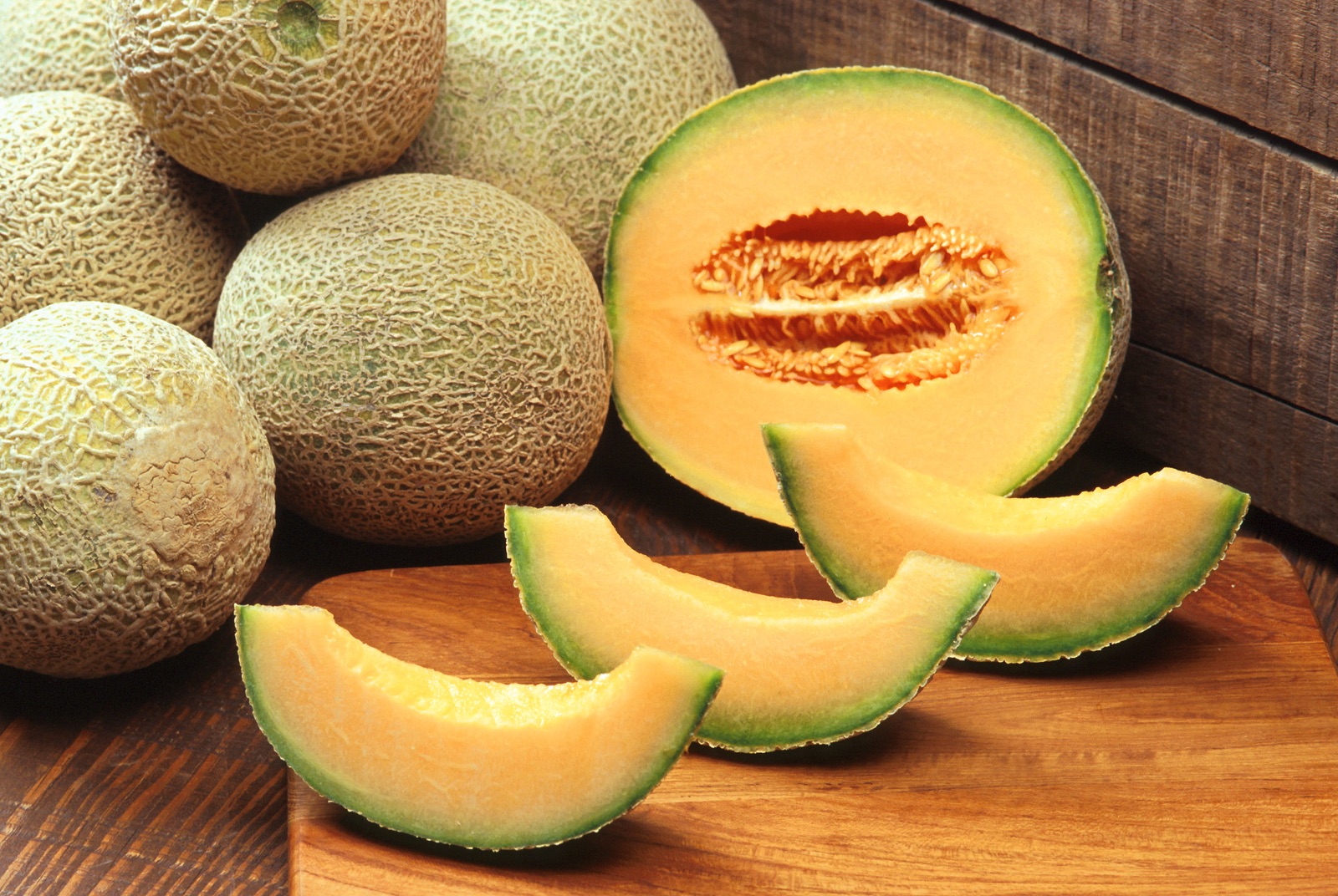
One species, many real names -- true cantaloupe and North American muskmelon are genuinely different fruit sharing one confused word.
It does not cross with watermelon, cucumber, pumpkin or squash, whatever a mixed field might suggest.
Muskmelon slips clean from the vine when ripe. Honeydew never does -- it only turns pale.
Once cut, this fruit does not get sweeter. Judge readiness before you cut, not after.
Fusarium wilt has no cure. Rotation, resistant varieties and grafted rootstock are the real defence.
Never spray an open flower. Every single fruit depends on the bees that visit it.
Wash the rind before you cut it. A 2011 outbreak traced back to dirty packing equipment, not the field.
"Melon seed (egusi)" is a different crop entirely, from a different plant. Do not confuse the two.
Test Yourself: Identification
What crop is growing here, trailing across the ground?
What are these flowers, and how do you tell which one will become fruit?
Is this fruit a cantaloupe?
Honest Limits of This Guide
There is no single right planting month for the whole world. This guide gives the real rule instead: plant once your own real last frost has passed and the soil has genuinely warmed to at least 60 to 65 degrees Fahrenheit.
This guide's own real world production figure (globalImportance) is drawn from a live, published article citing FAOSTAT data for 2024, not from a fresh, direct FAOSTAT query run this session for every figure quoted, the same honest distinction this library's own watermelon and cucumber guides state for their own crops.
This session could not confirm one single universal hives-per-acre stocking rate specific to this crop, the way it could for this library's own watermelon guide, and states that gap honestly in Stage 7 rather than inventing a figure.
This session found real, published agronomic guidance for this crop's own spacing, fertiliser and harvest signals, but did not find a real, published national-scale production-value or per-acre-cost figure of the kind this library's own watermelon guide records for United States watermelon (farmEconomics).
The FAO Quality Declared Seed system does not carry a melon line in Laisha's own internal reference, a real, honest gap this guide states plainly in seedGradingAndCertification rather than guessing a figure that source does not provide.
This guide does not name any pesticide, fungicide or herbicide product or compound. It names mode-of-action groups and the toxicity colour-band principle only. If you decide to use one, buy only from a licensed dealer and follow the label.
The toxicity colour band is a principle, not a fixed chemical-to-colour list. The same active substance can sit in a different band in a different formulation or country, and registrations change. Read the actual triangle on the actual package.
The rest of this Melon (cantaloupe) guide is inside Laisha
Every stage, the full fertiliser programme, the economics and the pest
diagnosis for Melon (cantaloupe) live in the app — alongside photo-based
diagnosis, live market prices, and an agronomist you can actually ask.
There is no single right planting month for the whole world. This guide gives the real rule instead: plant once your own real last frost has passed and the soil has genuinely warmed to at least 60 to 65 degrees Fahrenheit.
This guide's own real world production figure (globalImportance) is drawn from a live, published article citing FAOSTAT data for 2024, not from a fresh, direct FAOSTAT query run this session for every figure quoted, the same honest distinction this library's own watermelon and cucumber guides state for their own crops.
This session could not confirm one single universal hives-per-acre stocking rate specific to this crop, the way it could for this library's own watermelon guide, and states that gap honestly in Stage 7 rather than inventing a figure.
This session found real, published agronomic guidance for this crop's own spacing, fertiliser and harvest signals, but did not find a real, published national-scale production-value or per-acre-cost figure of the kind this library's own watermelon guide records for United States watermelon (farmEconomics).
The FAO Quality Declared Seed system does not carry a melon line in Laisha's own internal reference, a real, honest gap this guide states plainly in seedGradingAndCertification rather than guessing a figure that source does not provide.
This guide does not name any pesticide, fungicide or herbicide product or compound. It names mode-of-action groups and the toxicity colour-band principle only. If you decide to use one, buy only from a licensed dealer and follow the label.
The toxicity colour band is a principle, not a fixed chemical-to-colour list. The same active substance can sit in a different band in a different formulation or country, and registrations change. Read the actual triangle on the actual package.
GBIF Backbone Taxonomy species-match record for Cucumis melo L. — Global Biodiversity Information Facility (GBIF), Copenhagen (source)
EPPO Global Database taxon record for Cucumis melo, code CUMME — European and Mediterranean Plant Protection Organization (EPPO), Paris (source)
EPPO Global Database taxon search result for Cucumis melo subsp. melo var. cantaloupensis, code CUMMC — European and Mediterranean Plant Protection Organization (EPPO), Paris (source)
EPPO Global Database taxon search result for Cucumis melo var. reticulatus, code CUMMR — European and Mediterranean Plant Protection Organization (EPPO), Paris (source)
GBIF Backbone Taxonomy species-match record for Cucumis melo var. cantalupensis Naudin — Global Biodiversity Information Facility (GBIF), Copenhagen (source)
GBIF Backbone Taxonomy species-match record for Cucumis melo var. reticulatus Naudin — Global Biodiversity Information Facility (GBIF), Copenhagen (source)
GBIF Backbone Taxonomy species-match record for Citrullus mucosospermus (Fursa) Fursa — Global Biodiversity Information Facility (GBIF), Copenhagen (source)
GBIF Backbone Taxonomy species-match record for Aphis gossypii Glover, 1877 — Global Biodiversity Information Facility (GBIF), Copenhagen (source)
GBIF Backbone Taxonomy species-match record for Bemisia tabaci (Gennadius, 1889) — Global Biodiversity Information Facility (GBIF), Copenhagen (source)
GBIF Backbone Taxonomy species-match record for Diaphania hyalinata (Linnaeus, 1767) — Global Biodiversity Information Facility (GBIF), Copenhagen (source)
United States Standards for Grades of Cantaloups, effective March 10, 2008 — Agricultural Marketing Service, Fresh Products Branch, United States Department of Agriculture (source)
Netted Melon, in Agriculture Handbook 66: The Commercial Storage of Fruits, Vegetables, and Florist and Nursery Stocks — Agricultural Research Service, United States Department of Agriculture (source)
Honeydew Melon, in Agriculture Handbook 66: The Commercial Storage of Fruits, Vegetables, and Florist and Nursery Stocks — Agricultural Research Service, United States Department of Agriculture (source)
2016 Estimated Costs and Returns per Acre — Cantaloupe, Plastic Mulch, Drip Irrigated, Rio Grande Valley, 40 Acres (South Extension District 12) — Texas A&M AgriLife Extension Service, developed by Samuel Zapata, Assistant Professor and Extension Economist (source)
Laisha knows Melon (cantaloupe) better than this page can show.Photo diagnosis for pests and disease, live market prices, and an agronomist you can ask at two in the morning.Open Laisha
 Laisha
AI Operating System for Agriculture
Enter Laisha
Laisha
AI Operating System for Agriculture
Enter Laisha