 Laisha
AI Operating System for Agriculture
Ask Laisha
Laisha
AI Operating System for Agriculture
Ask Laisha
Melanagromyza obtusa Melanagromyza obtusa (Malloch, 1914) · formerly or also: Agromyza obtusa
The pigeon pea pod fly is a tiny black fly whose maggots feed inside the developing seeds of pigeon pea pods. Damage is hidden until the pods are opened: seeds are partly eaten, shrivelled and stained, and the only outside sign is a small round 'window' or exit hole in the pod wall. It is one of the most damaging pests of pigeon pea in South Asia, especially in medium- and long-duration varieties.
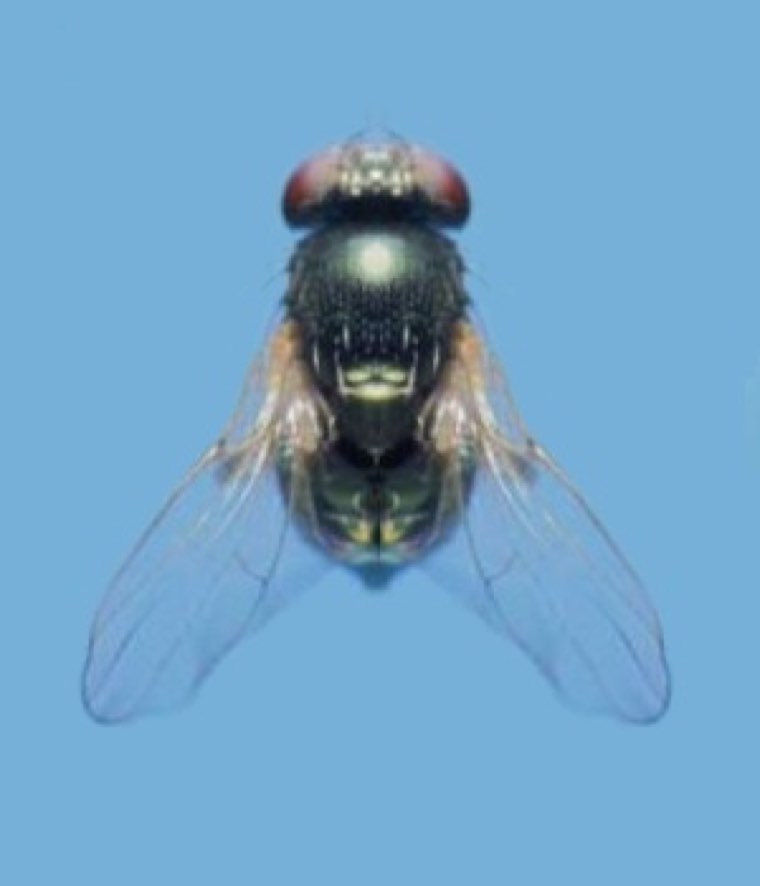
The scientific name of pigeon pea pod fly is Melanagromyza obtusa Melanagromyza obtusa (Malloch, 1914), in the order Diptera, family Agromyzidae.
Older or alternative scientific names: Agromyza obtusa.
Found mainly in South and South-East Asia, including India, Nepal, Bangladesh, Sri Lanka, Myanmar and Thailand; also recorded in parts of East Asia and the Pacific.
| Region | Status |
|---|---|
| South Asia | Widespread; major pest of pigeon pea |
| South-East and East Asia | Present |
| Pacific | Recorded |
Adults are small, shiny black flies about 2 mm long. Eggs are inserted into the wall of young pods. Maggots are creamy white and feed inside the seed; pupae are brown and lie in the pod between seeds. Before pupating, the maggot cuts a thin, round window in the pod wall through which the adult later emerges. Because the damage is hidden, farmers often first notice the pest at threshing, when many seeds are found tunnelled.
| Crop stage | What you see |
|---|---|
| Young pods | No visible outer damage while maggots feed inside. |
| Maturing pods | Small round windows (thin, translucent spots) or exit holes in the pod wall; pods otherwise look normal. |
| Seeds | Seeds partly eaten with tunnels, shrivelled and stained; maggots, pupae or droppings between seeds; seeds unfit for food or sowing. |
Females lay eggs in the walls of green pods. The maggot bores into a developing seed and feeds there, sometimes moving to a second seed. It cuts an exit window in the pod wall and pupates inside the pod. Adults emerge through the window and lay eggs on younger pods, so several generations develop during the long podding period of pigeon pea.
| Stage | Duration | Notes |
|---|---|---|
| Egg (in pod wall) | About 3-5 days | Hidden in pod tissue. |
| Maggot (3 instars, inside seed) | About 1-2 weeks | Protected from contact sprays. |
| Pupa (inside pod) | About 1-2 weeks | Between seeds. |
| Adult fly | About 1-3 weeks | Emerges through the window. |
One generation takes about three to four weeks; populations build up during the cool-season podding of long-duration pigeon pea.
Several generations during the podding period; fewer between seasons.
Long podding periods of medium- and long-duration varieties, staggered sowing, and nearby wild pigeon pea relatives that bridge the seasons.
There is no single international threshold; South Asian programmes base sprays on crop stage (pod formation) and local pest pressure rather than on counts, because the maggots are hidden inside pods.
Thresholds are local. They depend on crop price, control cost, variety and natural-enemy activity, so use the figure your local extension service publishes where one exists.
Seed damage commonly ranges from 20% to more than 50% in long-duration pigeon pea in northern India; damaged seed loses food and seed value.
Control works best as a sequence: prevent, monitor, then act only when a threshold or a risk forecast says so, using the least disruptive option that works.
Systemic or translaminar products applied at pod formation reach the maggots better than contact sprays. What is registered differs by country and changes over time; follow the label and your local plant-protection authority.
| Scheme | Group | Mode of action | Notes |
|---|---|---|---|
| IRAC | 4A | Nicotinic acetylcholine receptor competitive modulators (neonicotinoids) | Toxic to pollinators; avoid spraying open flowers. |
| IRAC | 28 | Ryanodine receptor modulators (diamides) | Also controls pod borers. |
| IRAC | 6 | Glutamate-gated chloride channel allosteric modulators | Translaminar. |
Pigeon pea is the main host; a few other legumes such as Rhynchosia and Atylosia species (wild relatives of pigeon pea) are also attacked.
How to grow the crop well is the first line of defence. Laisha's free grow guides cover each crop from sowing to harvest:
Written by Laisha from the sources above, in its own words. This page is general reference, not a prescription: confirm identification locally and follow the label and your plant-protection authority.