 Laisha
AI Operating System for Agriculture
Ask Laisha
Laisha
AI Operating System for Agriculture
Ask Laisha
Bean common mosaic virus and Bean common mosaic necrosis virus ICTV species: Potyvirus phaseovulgaris (BCMV) and Potyvirus phaseoli (BCMNV) · formerly or also: BCMV, BCMNV (formerly the NL-3, NL-5 and NL-8 strains of BCMV)
Bean common mosaic and its close relative bean common mosaic necrosis are virus diseases that mottle bean leaves light and dark green, make them curl and pucker, and stunt plants. Both viruses are carried in seed and spread by aphids. In bean varieties that carry the resistance gene called I, the necrosis virus can kill plants by causing 'black root', a blackening of the vascular system. Clean seed and resistant varieties are the main defence.
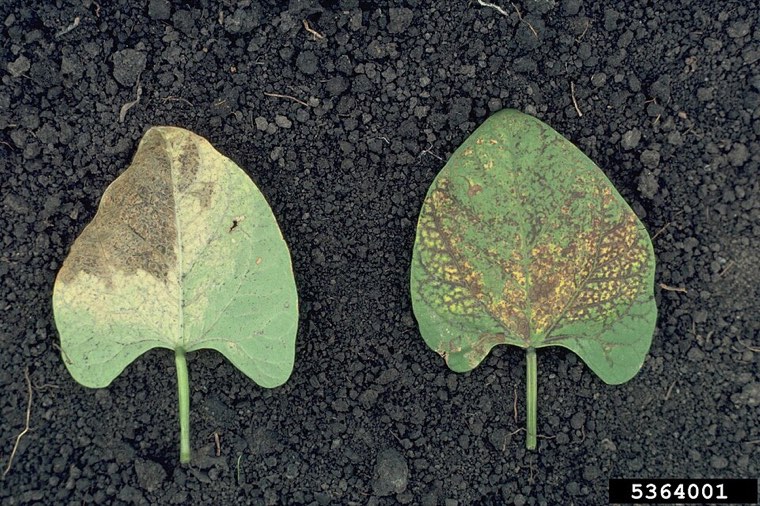
Bean common mosaic and bean common mosaic necrosis is caused by Bean common mosaic virus and Bean common mosaic necrosis virus, a virus (potyviruses with RNA genomes), spread by seed and aphids (order Patatavirales, family Potyviridae).
Older or alternative scientific names: BCMV, BCMNV (formerly the NL-3, NL-5 and NL-8 strains of BCMV).
BCMV is found wherever beans are grown, carried around the world in seed. BCMNV is thought to have originated in Africa and is most common there, but also occurs in Europe, Asia and the Americas.
| Region | Status |
|---|---|
| Africa | Both viruses widespread; BCMNV common |
| Americas | BCMV widespread; BCMNV present |
| Europe and Asia | Both present |
| Oceania | BCMV present |
Flexuous, rod-shaped RNA viruses detected by ELISA or RT-PCR. Both are seed-transmitted in common bean, at rates that can be high in susceptible varieties, and spread between plants by many aphid species in a non-persistent way within seconds of probing.
| Crop stage | What you see |
|---|---|
| Plants from infected seed | Mosaic of light and dark green on the first true leaves; leaves narrow, curled downward and puckered; plants stunted. |
| Plants infected by aphids | Mosaic and leaf distortion on new growth; fewer pods, often deformed. |
| Black root (varieties with the I gene) | Wilting and death of the growing tip, brown to black discoloration of the vascular tissue in stems and roots, and rapid death of the plant, especially with BCMNV or at high temperatures. |
Infected seed gives rise to infected seedlings scattered through the field. Aphids probing these plants pick up the virus within seconds and spread it to nearby plants during their flights. Infection of plants before flowering can lead to infected seed, carrying the viruses into the next crop and across regions.
| Stage | Duration | Notes |
|---|---|---|
| Infected seed | Between seasons | Main source and long-distance spread. |
| Aphid spread | Seconds to minutes | Non-persistent. |
| Symptom development | About 1-3 weeks | Mosaic or black root. |
| Seed infection | When infected before flowering | Carries virus forward. |
Symptoms vary with temperature; black root in plants with the I gene is more likely at high temperatures with some strains.
Spread continues during aphid activity; carry-over through seed.
Planting farm-saved or uncertified seed, susceptible varieties, high aphid numbers, and nearby infected bean crops or legume weeds.
There is no economic threshold; seed certification schemes set tolerances for seed-borne virus, and field management is preventive.
Thresholds are local. They depend on crop price, control cost, variety and natural-enemy activity, so use the figure your local extension service publishes where one exists.
Yield losses range from small to more than half of the crop, and are highest when plants grow from infected seed; black root can kill whole patches of plants. Infected seed lots lose value. Losses are lower when plants are infected late, after flowering, but such plants can still produce infected seed.
Control works best as a sequence: prevent, monitor, then act only when a threshold or a risk forecast says so, using the least disruptive option that works.
No chemical controls the viruses, and insecticides do not stop non-persistent aphid transmission. What is registered differs by country and changes over time; follow the label and your local plant-protection authority.
Common bean and other Phaseolus species; some strains of BCMV (including the former blackeye cowpea mosaic virus) infect cowpea and other legumes.
How to grow the crop well is the first line of defence. Laisha's free grow guides cover each crop from sowing to harvest:
Written by Laisha from the sources above, in its own words. This page is general reference, not a prescription: confirm identification locally and follow the label and your plant-protection authority.