 Laisha
AI Operating System for Agriculture
Ask Laisha
Laisha
AI Operating System for Agriculture
Ask Laisha
Brassicogethes aeneus Brassicogethes aeneus (Fabricius, 1775) · formerly or also: Meligethes aeneus
The pollen beetle is a tiny shiny black beetle that is one of the most important pests of oilseed rape in Europe. In spring, adults chew into closed flower buds to reach the pollen, causing buds to wither and drop and leaving bare stalks without pods. Once flowers open, the beetles feed on freely available pollen and do little harm, and even help pollination. Widespread resistance to pyrethroid insecticides has made management harder.
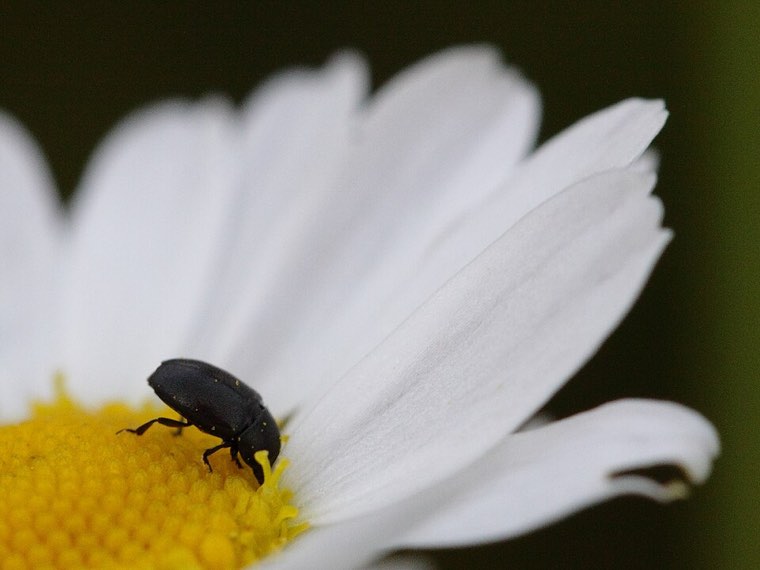
The scientific name of pollen beetle is Brassicogethes aeneus Brassicogethes aeneus (Fabricius, 1775), in the order Coleoptera, family Nitidulidae.
Older or alternative scientific names: Meligethes aeneus.
Found throughout Europe and in North Africa and Asia; a closely related species, Brassicogethes viridescens, attacks canola in parts of eastern Canada.
| Region | Status |
|---|---|
| Europe | Widespread; major pest of oilseed rape |
| North Africa and Asia | Present |
| North America | Related species present in parts of Canada |
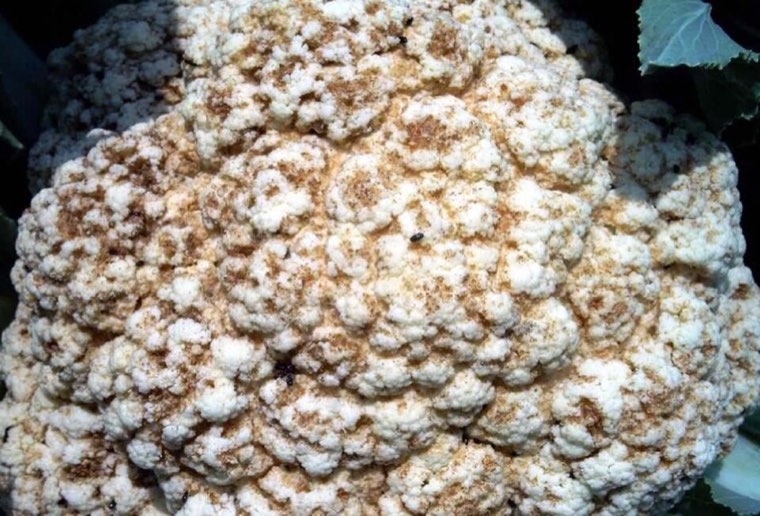
Adults are 1.5-2.5 mm long, oval, shiny black with a metallic green or blue sheen. Larvae are white to cream with a dark head and dark spots on each segment, up to about 4 mm long, and feed inside flowers. Beetles often gather on the yellowest, earliest-flowering plants at field edges first.
| Crop stage | What you see |
|---|---|
| Green to yellow bud stage | Beetles inside bud clusters; buds with feeding holes that wither and drop. |
| Flowering and pod set | Bare flower stalks without pods ('blind stalks') where buds were destroyed. |
| Severe attack | Large losses of buds on late or weak crops before flowering begins. |
Adults spend the winter in leaf litter and soil in woodland and hedges. In spring, when temperatures rise above about 12-15 °C, they fly to oilseed rape and other flowering plants. Females lay eggs in buds; larvae feed on pollen in the flowers, then drop to the soil to pupate. The new generation emerges in summer, feeds on pollen of many flowers and then moves to winter shelter. Because the larvae feed on pollen in open flowers, they do not cause significant damage themselves.
| Stage | Duration | Notes |
|---|---|---|
| Overwintering adult | Autumn to spring | In woodland litter. |
| Egg (in buds) | About 4-9 days | Laid in larger buds. |
| Larva (2 instars, in flowers) | About 2-4 weeks | Pollen feeders. |
| Pupa (in soil) | About 2 weeks | New adults in summer. |
Migration into crops begins on warm, sunny spring days above about 12-15 °C; warm springs bring earlier and larger invasions.
One generation per year.
Warm spring weather during the green and yellow bud stage, slow-growing or backward crops with a long bud stage, nearby woodland for overwintering, and resistance to commonly used insecticides.
There is no single international threshold. European countries set thresholds as beetles per plant at the bud stage, often adjusted for crop growth and plant density, and these differ between countries; once flowering begins, spraying is usually not justified.
Thresholds are local. They depend on crop price, control cost, variety and natural-enemy activity, so use the figure your local extension service publishes where one exists.
Bud loss reduces the number of pods and yield, especially in weak or late crops; vigorous crops can often compensate for moderate bud loss. Losses are highest when the bud stage is long because of cold weather after the beetles arrive.
Control works best as a sequence: prevent, monitor, then act only when a threshold or a risk forecast says so, using the least disruptive option that works.
Spray only when thresholds are exceeded at the bud stage, choosing modes of action that are still effective locally; pyrethroid resistance is widespread in Europe. Protect bees by not spraying open flowers when they are foraging. What is registered differs by country and changes over time; follow the label and your local plant-protection authority.
| Scheme | Group | Mode of action | Notes |
|---|---|---|---|
| IRAC | 22A | Voltage-dependent sodium channel blockers (oxadiazines) | Alternative to pyrethroids where registered. |
| IRAC | 4A | Nicotinic acetylcholine receptor competitive modulators (neonicotinoids) | Restricted in many countries; toxic to bees. |
| IRAC | 3A | Sodium channel modulators (pyrethroids) | Widespread resistance; harmful to parasitoids. |
Larvae develop only in flowers of the cabbage family, mainly oilseed rape, turnip rape and mustards; adults feed on pollen of many flowering plants in summer.
How to grow the crop well is the first line of defence. Laisha's free grow guides cover each crop from sowing to harvest:
Written by Laisha from the sources above, in its own words. This page is general reference, not a prescription: confirm identification locally and follow the label and your plant-protection authority.