 Laisha
AI Operating System for Agriculture
Ask Laisha
Laisha
AI Operating System for Agriculture
Ask Laisha
Potato virus Y ICTV species: Potyvirus yituberosi · formerly or also: PVY (strains PVY-O, PVY-N, PVY-NTN, PVY-N-Wi and others)
Potato virus Y is the most important virus of potato worldwide and also attacks pepper, tomato and tobacco. Aphids pass it on within seconds while probing leaves, and infected seed tubers carry it to the next crop, so seed-potato systems are built around keeping it out. Some strains cause tuber ring necrosis that makes potatoes unsaleable.
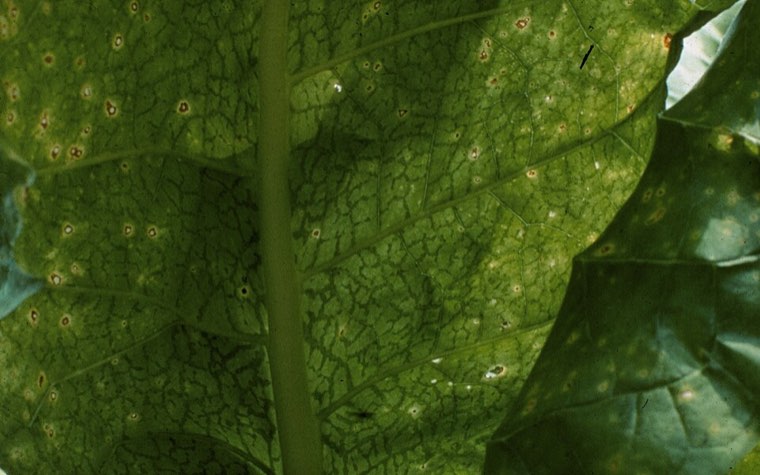
Potato virus Y is caused by Potato virus Y, a virus (potyvirus with an RNA genome), spread by aphids and seed tubers (order Patatavirales, family Potyviridae).
Older or alternative scientific names: PVY (strains PVY-O, PVY-N, PVY-NTN, PVY-N-Wi and others).
Present wherever potatoes are grown. Recombinant necrotic strains (such as PVY-NTN and PVY-N-Wi) have replaced older strains in many regions since the 1980s-2000s.
| Region | Status |
|---|---|
| Europe | Widespread; main cause of seed-potato downgrading |
| Americas | Widespread; necrotic strains dominant in North America |
| Asia and Africa | Widespread |
| Oceania | Present |
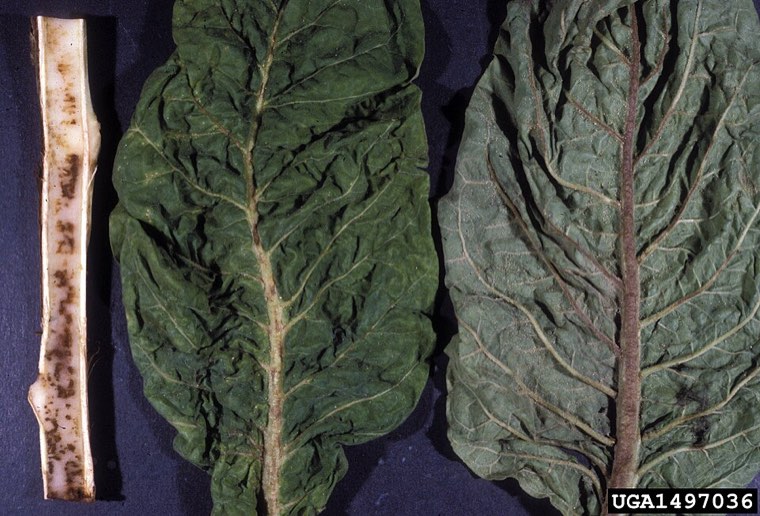
A flexuous, rod-shaped RNA virus detected by ELISA or RT-PCR in leaves or tubers. More than 40 aphid species transmit it in a non-persistent way - the green peach aphid is the most efficient - including aphids that do not colonise potato and only probe while passing through.
| Crop stage | What you see |
|---|---|
| Plants grown from infected tubers | Mosaic, crinkling and stunting; leaf-drop streak (dead leaves hanging on the stem) with some strains; mild or no symptoms in tolerant varieties. |
| Current-season infection | Mottle, mosaic and necrotic spots or streaks on leaves of the upper plant; symptoms often mild. |
| Tubers | With necrotic strains, raised or sunken brown rings on the tuber surface (potato tuber necrotic ringspot disease), which may develop in storage. |
The virus survives in infected seed tubers, volunteers and weeds. Aphids acquire it in seconds of probing an infected plant and transmit it to the next plant they probe; they lose the virus within an hour or so. Spread within a season therefore depends on winged aphid flights, and the virus is carried into the next season in tubers.
| Stage | Duration | Notes |
|---|---|---|
| Infected seed tuber | Between seasons | Main source of virus. |
| Aphid acquisition and transmission | Seconds to minutes | Non-persistent. |
| Infection and translocation to tubers | About 1-3 weeks | Late infections may still reach tubers. |
| Survival in progeny tubers | To the next crop | Seed degeneration. |
Spread follows aphid flights, which are greatest in warm, calm weather; symptom expression varies with temperature and variety.
Continuous spread during aphid flight periods; carry-over through tubers.
Infected seed, high and early aphid flights, nearby infected potato and volunteer plants, late haulm destruction in seed crops, and susceptible varieties.
There is no aphid-count threshold that prevents transmission. Seed certification schemes set maximum tolerated virus levels in seed lots (set nationally), and seed growers act on aphid flight forecasts to time haulm destruction.
Thresholds are local. They depend on crop price, control cost, variety and natural-enemy activity, so use the figure your local extension service publishes where one exists.
Yield losses range from 10-80% in plants grown from infected tubers, depending on strain and variety; tuber necrotic ringspot makes ware and seed potatoes unsaleable; seed lots above certification tolerances are downgraded.
Control works best as a sequence: prevent, monitor, then act only when a threshold or a risk forecast says so, using the least disruptive option that works.
Insecticides do not prevent non-persistent transmission because aphids pass the virus on before they die; they are used only against colonising aphids. What is registered differs by country and changes over time; follow the label and your local plant-protection authority.
Potato, pepper, tomato, tobacco, eggplant and many solanaceous weeds; strains differ in host preference.
How to grow the crop well is the first line of defence. Laisha's free grow guides cover each crop from sowing to harvest:
Written by Laisha from the sources above, in its own words. This page is general reference, not a prescription: confirm identification locally and follow the label and your plant-protection authority.