 Laisha
AI Operating System for Agriculture
Ask Laisha
Laisha
AI Operating System for Agriculture
Ask Laisha
Pythium aphanidermatum and other soil-borne pathogens (Edson) Fitzp., 1923 (with other Pythium species, Phytophthora, Rhizoctonia solani and Fusarium species) · formerly or also: Globisporangium spp. (some former Pythium species)
Damping-off is the death of seeds and young seedlings caused by soil-borne water moulds and fungi, above all Pythium and Rhizoctonia. Seeds rot before they emerge, or seedlings collapse at soil level and fall over in patches that spread across a nursery bed or tray. It is the most common problem in vegetable, tobacco and flower nurseries, and it is almost always a sign of too much water, poor drainage or unclean soil, so prevention is far more effective than cure.
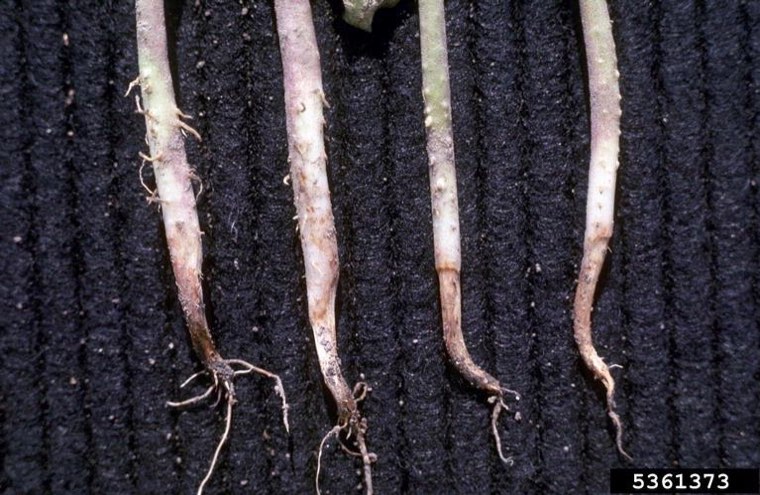
Damping-off of seedlings is caused by Pythium aphanidermatum and other soil-borne pathogens (Edson) Fitzp., 1923 (with other Pythium species, Phytophthora, Rhizoctonia solani and Fusarium species), an oomycete (water mould) for the main cause, Pythium; true fungi such as Rhizoctonia also cause it (order Peronosporales (Pythiales), family Pythiaceae).
Older or alternative scientific names: Globisporangium spp. (some former Pythium species).
Found worldwide wherever seeds are germinated in soil or growing media. Warm-loving Pythium aphanidermatum dominates in the tropics and in heated greenhouses; other Pythium species and Rhizoctonia are more important in cool, wet conditions.
| Region | Status |
|---|---|
| Tropics and subtropics | Very common in open nursery beds, especially in rainy seasons |
| Temperate regions | Common in greenhouses and cool, wet spring sowings |
| Global | Present on every continent |
Pythium produces fine, colourless mycelium and swimming spores (zoospores) in wet soil, and thick-walled resting spores (oospores) that survive for years. Rhizoctonia forms brown hyphae that branch at right angles and small sclerotia. White cottony growth on the soil surface in very humid conditions may be visible; laboratory isolation identifies the cause.
| Crop stage | What you see |
|---|---|
| Before emergence | Seeds rot or seedlings die before they appear, so the stand is thin and patchy (pre-emergence damping-off). |
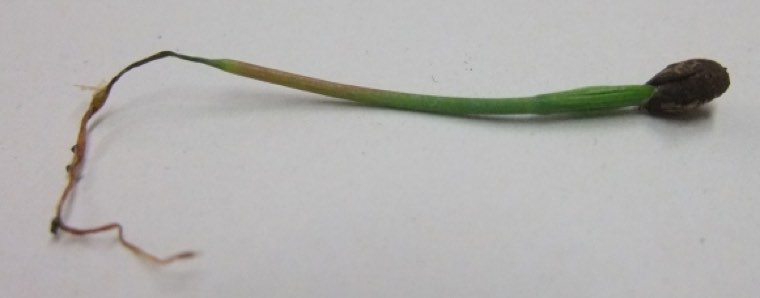
| Emergence to the first true leaves | Water-soaked, soft, pinched stem at soil level; seedlings fall over and die, often in expanding circles (post-emergence damping-off). |
| Older seedlings | Dark, sunken, dry lesions girdling the stem ('wire stem', typical of Rhizoctonia) and root rot, giving stunted transplants that fail in the field. |
The pathogens survive in soil, plant debris, unclean trays and water for years. Exudates from germinating seeds trigger resting spores to germinate; Pythium releases zoospores that swim through saturated soil to roots and stems. Infection is fastest when seedlings grow slowly in cold, wet soil or when warm, waterlogged conditions favour Pythium aphanidermatum.
| Stage | Duration | Notes |
|---|---|---|
| Resting spores and mycelium in soil | Months to years | In soil, debris, dirty trays, irrigation water. |
| Germination near seeds and roots | Hours after sowing in wet soil | Triggered by seed exudates. |
| Infection and collapse | 1-3 days in favourable conditions | Soft tissue at soil level. |
| New spores in dead seedlings | Days | Spreads to neighbours through water films. |
Most Pythium species and Rhizoctonia cause damping-off in cool, wet soils (about 10-20 °C), where seedlings grow slowly; Pythium aphanidermatum is most aggressive at about 25-35 °C in wet conditions.
Repeats with every sowing in infested soil.
Overwatering and waterlogged beds, heavy or compacted soil, poor drainage, dense sowing, reused unsterilised soil or trays, surface water from ponds or ditches, high humidity and low light that produce soft seedlings, and excess nitrogen.
There is no numeric threshold; damping-off is managed preventively in every nursery. Once seedlings start to collapse, treatment can only limit further spread.
Losses of 20-80% of seedlings occur in unmanaged nursery beds in wet seasons, and whole trays can be lost in greenhouses; replanting delays the crop.
Control works best as a sequence: prevent, monitor, then act only when a threshold or a risk forecast says so, using the least disruptive option that works.
Seed treatments and nursery drenches are used where registered; young seedlings are easily injured by some products. Different products act against oomycetes (Pythium, Phytophthora) and true fungi (Rhizoctonia, Fusarium), so the cause matters. What is registered differs by country and changes over time; follow the label and your local plant-protection authority.
| Scheme | Group | Mode of action | Notes |
|---|---|---|---|
| FRAC | 4 | Phenylamides (against Pythium and Phytophthora) | Resistance common in Pythium. |
| FRAC | 28 | Carbamates (against oomycetes) | Drench uses. |
| FRAC | P07 | Phosphonates (against oomycetes) | Systemic. |
| FRAC | 14 | Aromatic hydrocarbons (against Rhizoctonia) | Soil and seed uses. |
| FRAC | 12 | Phenylpyrroles (seed treatment, against true fungi) | Seed treatment. |
Seedlings of almost all crops can damp off: tomato, pepper, eggplant, brassicas, onion, cucurbits, beans, tobacco, papaya, many flowers and tree seedlings in forest nurseries. Older plants become resistant as their stems harden.
How to grow the crop well is the first line of defence. Laisha's free grow guides cover each crop from sowing to harvest:
Written by Laisha from the sources above, in its own words. This page is general reference, not a prescription: confirm identification locally and follow the label and your plant-protection authority.